You see the low APR range, then pause
The APR range is the first thing that looks “clean” on the page: a low starting number that makes consolidating cards or refinancing a chunk of debt feel immediately cheaper. Then the hesitation hits, because ranges aren’t quotes. If you already have good credit and stable pay, you’ve seen this movie—your approval is rarely at the floor, and the difference between “best case” and “your case” can flip the monthly payment math. The friction is timing, too: you don’t want a hard inquiry (or a new loan account) just to learn you’re priced like everyone else.
That pause is useful. Before you get pulled into the application flow, it’s worth treating the advertised APR like a placeholder and asking what would realistically push it up: term length, loan size, debt-to-income, credit profile shape, and whether you’re consolidating versus refinancing. Once you look at SoFi through that lens, the next step becomes less emotional and more procedural.
What SoFi looks like before you apply
On a quick pass, SoFi reads like a streamlined, online-underwritten installment loan: fixed payments, a menu of term lengths, and an experience designed to move fast once you decide. That speed is the first real constraint. If you’re shopping offers across a bank, a credit union, and an online lender, SoFi’s flow can nudge you to commit before you’ve lined up comparable term sheets—especially if you’re trying to hit a payoff date or stop bleeding interest on cards.
Before you touch the application, it helps to inventory what’s actually on offer: whether pricing assumes autopay, what fees are called out (or not), how repayment terms map to your target monthly payment, and whether the loan purpose you’re choosing changes available terms. The other quiet filter is eligibility shape—steady income, credit depth, and debt-to-income tolerance. If your profile is strong but “tight” (recent big purchase, variable income, thin file), the glossy range can still translate into a middling quote.
Prequalification reveals the real pricing levers
Prequalification is where the range stops being a marketing number and starts behaving like an underwriting model. It’s usually a soft pull, so the constraint shifts from “will this ding my score?” to “do I have clean inputs?”—accurate income, housing cost, and the balances you’re actually trying to refinance. If you round optimistically or leave out a payment, the quote can look better than what the final approval supports, and that gap tends to show up as a higher APR or a lower approved amount.
The useful part is how quickly the levers reveal themselves once you toggle scenarios. Term length is the loudest: longer terms often raise APR even as they lower the payment. Loan size can cut both ways—too small and the pricing may not be compelling; too large and debt-to-income pressure can push the quote up or cap eligibility. Then there are the quieter modifiers: autopay assumptions, stated purpose (debt consolidation versus other), and whether your credit profile is “thick” enough to earn the best tiers. At this stage, you’re not chasing the floor APR—you’re checking if the model likes your shape.
Loan terms that quietly change your outcome
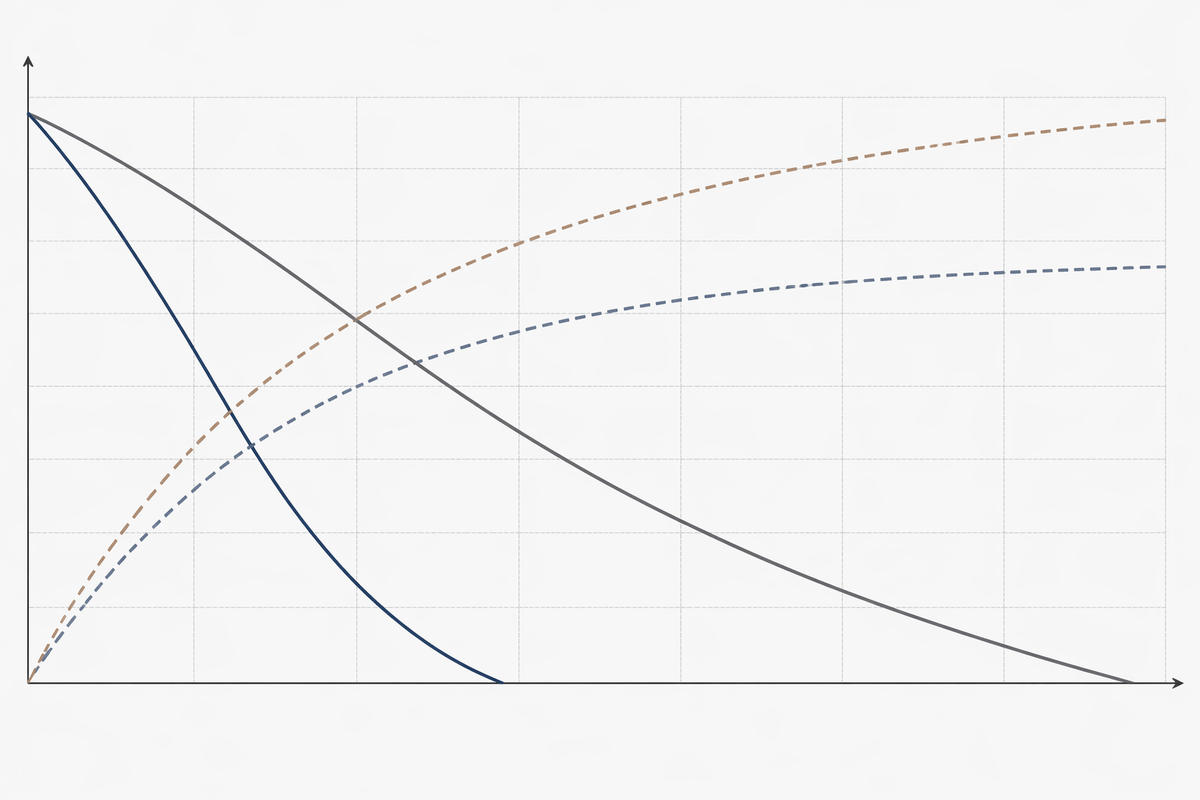
Once the prequal numbers feel “close enough,” the outcome starts getting decided by terms that don’t look dramatic in the quote box. The big one is amortization speed: a 36-month term can make the APR look sharper, but it also forces principal reduction fast, which is great if cash flow is stable and risky if a commission month goes sideways. A 60–84 month term can solve the payment problem while quietly increasing total interest and keeping the balance high longer, which matters if you’re trying to improve your debt-to-income window for another loan.
Then there’s the stuff that shows up in disclosures, not marketing: whether any autopay discount is conditional, how the first payment date is set (a short first cycle can strain a tight month), and whether the loan amount is netted down by any fees or paid directly to creditors. Even with the same APR, those mechanics change how quickly you see balances fall—and whether the “savings” feels real in the first 60 days.
Where SoFi tends to shine in practice
When SoFi works well, it’s usually because the decision is already mostly made: the debt is expensive, the borrower’s income is steady, and the goal is to turn variable, messy balances into one fixed installment payment quickly. In that lane, the online underwriting flow and fast closing can be an advantage, not a trap—especially if you’re trying to stop revolving interest from compounding for another month. The budgeting benefit is real: fixed-rate math, a defined payoff date, and fewer moving parts than juggling multiple card minimums.
It also tends to shine when your profile is “clean” in underwriting terms: strong credit depth, low delinquencies, and debt-to-income that still looks reasonable after consolidation. That combination is where the APR quote is most likely to stay stable through final approval. In practice, the payoff mechanics matter too—if creditor payments are handled smoothly and the funded amount matches what you modeled, the first 30–60 days feel like progress instead of administrative drag.
Where it breaks: protections, approvals, and regrets
The break usually happens after you’ve mentally “spent” the projected savings and then the final approval doesn’t match the prequal story. The constraint is that you’re now solving two problems at once: getting approved for the amount you need and keeping the APR low enough to make the refinance worth the reset. If the lender comes back with a smaller approved amount, you’re left with leftovers on high-interest cards, plus a new installment payment that tightens cash flow. If the APR steps up, the math can still work—but only if you don’t stretch the term to make the payment feel comfortable.
The other failure point is protections. Consolidating unsecured debt is one thing; refinancing debt that had flexible options is another. Once you trade into a private installment loan, the “help” during a bad quarter is typically thinner—fewer hardship levers, less tolerance for missed payments, and more regret if your income is stable until it isn’t. The last common regret is timing: taking the fast close, then noticing a credit union would’ve offered similar pricing with more forgiving servicing—and you already took the inquiry and opened the account.
A disclosure checklist before you commit
Right before you sign, the disclosures are where the “smooth” experience turns into numbers that can’t be argued with. The constraint is time: if you’re trying to close fast, it’s easy to skim and miss one detail that changes your first two months of cash flow or your total interest by more than the APR difference you’ve been comparing.
Use a tight checklist: confirm the final APR (and whether it assumes autopay), the exact term and first payment date, and the total of payments. Verify whether the funded amount is reduced by any fees, and whether creditors are paid directly (and on what timeline). Check if there’s any prepayment penalty (ideally none), what happens if autopay fails, and what hardship options exist in writing. If any line item surprises you, pause and re-run the math against a bank or credit union offer.








![9 Best Schwab ETFs to Buy [Build Your Core for Cheap]](static/image/2026/07/14/a69dc979-3836-472e-a76d-f75927794650.png)