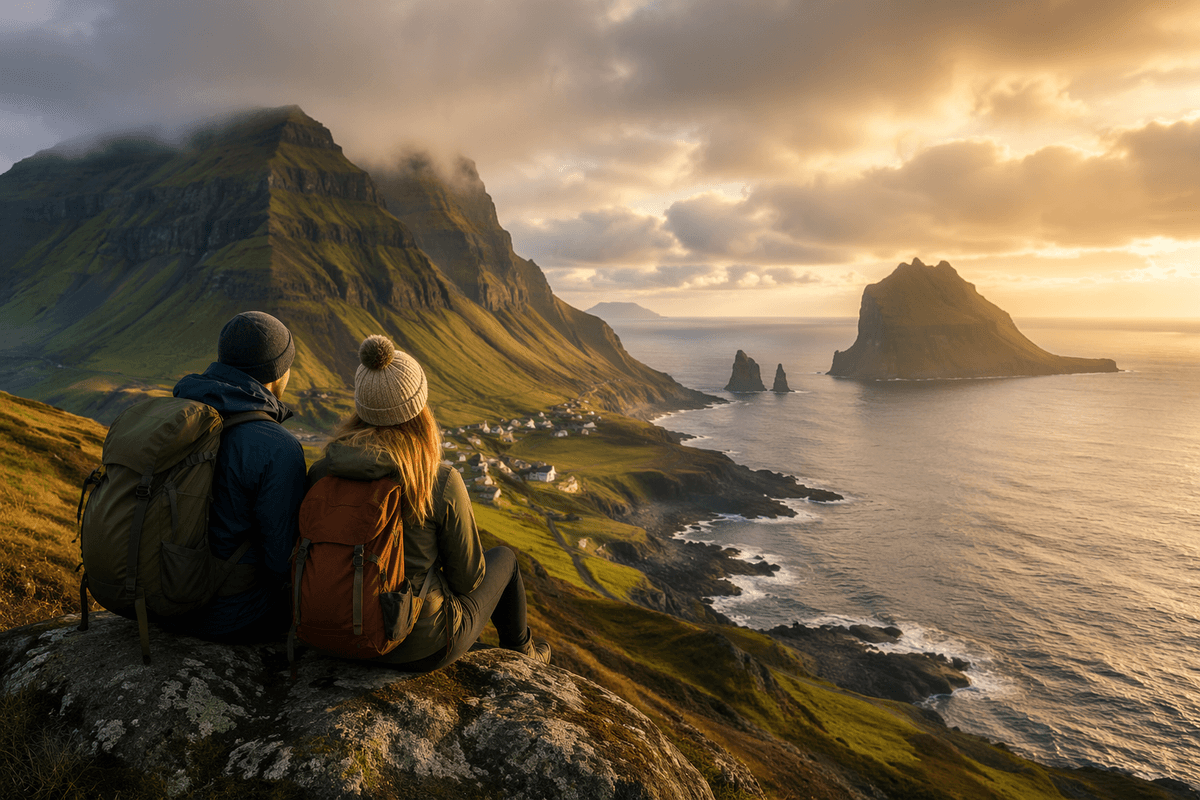
The real choice: wildness versus logistics
At 11:47 p.m., with two browser tabs still loading, I hovered over a flight map that made everything look easy: a neat line from a major hub to “somewhere remote.” Then the reality hit in the fine print—one route arrived after the last bus, another required an overnight transfer, and the “short hop” turned into two connections and a four-hour drive. The landscapes were all dramatic on screen; the logistics were not.
For a 7–10 day PTO trip, the real decision usually isn’t “which place is prettiest,” but how much friction you can tolerate before the hiking even starts. Wild coastlines like the Faroes or Tasmania’s Bay of Fires can feel close to civilization while still delivering wind, sea cliffs, and empty trails—until you hit limited lodging or a rental-car squeeze in peak weeks. Push farther (Namibia’s Skeleton Coast, Slovenia’s Soča Valley, Canada’s Nahanni) and the payoff rises, but so do the constraints: seasonal windows, longer transfers, permits, and the kind of tired that makes a “free” day vanish.
This isn’t about toughness; it’s about fit. If you want wildlife and space without gambling your whole trip on one connection, you’ll lean toward places where weather delays and sold-out beds don’t domino. If you’re chasing true remoteness, plan like you mean it—buffers, backups, and a slightly humbler itinerary that still leaves you enough energy to actually be outside.
Coastline lovers: Faroe and Bay of Fires
I hesitated on the “confirm” button while the last two compact cars on the Faroe Islands screen flickered between available and gone, and outside my window it was raining hard enough to sound like static. The dates were fine on paper—eight PTO days, a long weekend buffer—but the pickup time landed after the final evening ferry on one option. It was a small detail with a big consequence: cliff walks are free, yet your whole route can hinge on a key handoff.
The Faroes suit couples who want scale—sea stacks, turf-roof villages, birds on the wind—without committing to expedition-level remoteness, but you pay in timing sensitivity. Weather isn’t just mood lighting; it can erase a hike day or turn a “short” drive into a white-knuckle crawl, so a rigid itinerary backfires faster here than somewhere sunnier. The trade-off is that once you’re in place, you can do big scenery in half-days: a headland loop before lunch, a harbor town dinner, and you’re not spending your whole trip in transit. If you don’t drive, though, you’ll feel the limitations quickly—buses won’t match sunrise ambitions, and popular trailheads can bottleneck around midday.
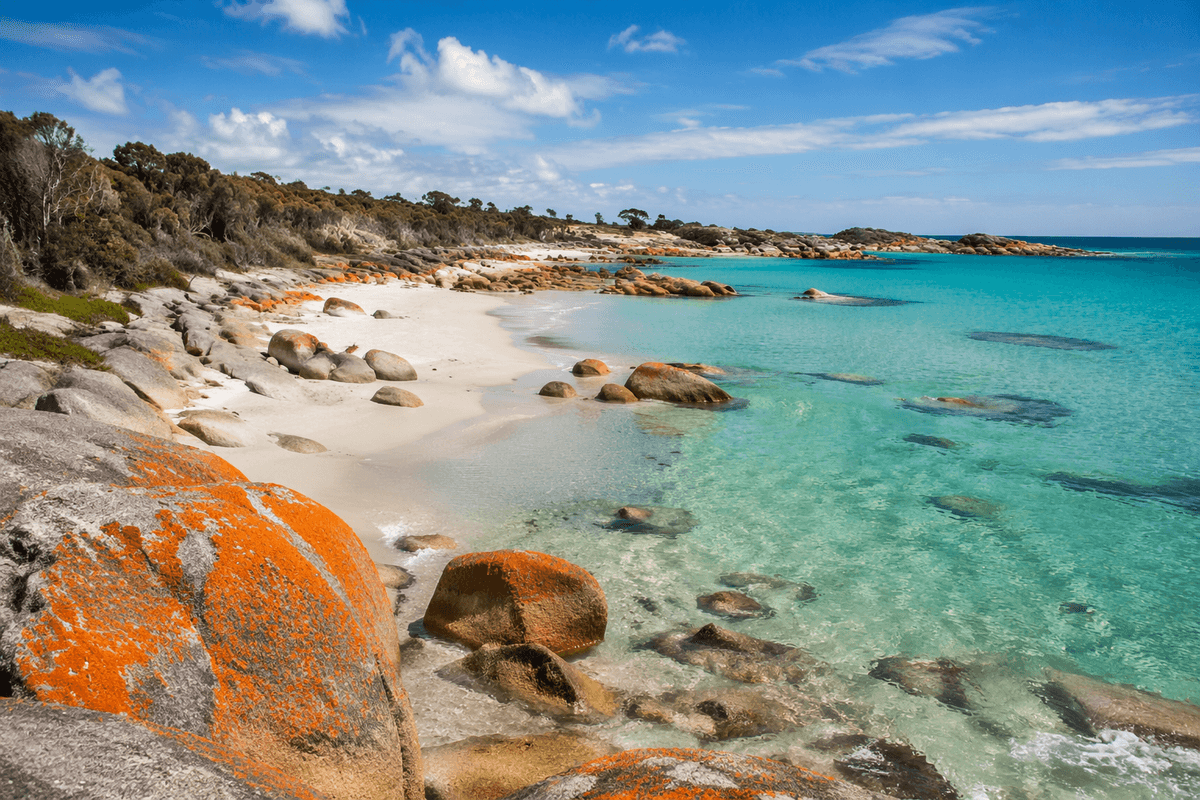
Tasmania’s Bay of Fires flips the equation. It’s less meteorological roulette and more distance math: getting to those orange-lichen boulders and empty coves is straightforward, but it eats hours, and the best stretches reward slow walking, not box-checking. It works best if you’re happy with a couple of long beach-and-granite days plus one proper hike, and less well if you need constant variety. If your window is tight, choose the place where you can lose a day to weather (Faroes) or to driving (Bay of Fires) and still feel calm about it.
Desert solitude: Namibia’s Skeleton Coast
At the gas station outside Swakopmund, the attendant topped off two jerrycans while I stared at a paper map that made the coast look like a simple northbound line. The distance was manageable; the “services” icons were not. A light fog rolled in from the Atlantic, and suddenly it was obvious why people call this stretch empty with a straight face.
The Skeleton Coast is for couples who want space and mood—dunes collapsing into surf, shipwreck fragments, jackals on the beach—more than they want flexible spontaneity. The trade-off is access: the far-north core areas are restricted and typically visited via guided trips or fly-in safaris, which can push a mid-budget plan into “special occasion” territory fast. Self-driving can still work beautifully in the broader Swakopmund–Cape Cross–Torra Bay direction, but it rewards conservative routing: daylight driving, extra water, and accepting that a “short” detour might mean hours of corrugations and fatigue.
Winter (roughly May–September) is cooler and easier for hiking and wildlife, but coastal fog can blunt sunsets, and wind can make a beach walk feel like sandblasting. If you have 7–10 days, pair a taste of the coast with Damaraland or Etosha rather than chasing the deepest permits; you’ll get the desolate beauty without betting your PTO on one remote handoff.
Emerald rivers: Slovenia’s Soča Valley
On a late bus out of Ljubljana, I watched the mountains thicken through a smudged window while my phone bounced between one bar of signal and none. The timetable said it was simple—change once, arrive in Bovec before dinner—but the connection margin was the kind that evaporates if your first leg runs ten minutes late. The river didn’t show up as a “wow” reveal at first; it appeared in flashes, an unreal green under roadside trees.
The Soča Valley is the rare nature trip that feels dramatic without feeling remote, which makes it a good match for a 7–10 day PTO week when you don’t want transfers to eat your mornings. Compared with the Faroes’ weather roulette or Namibia’s long, service-light distances, the limitation here is crowd flow: July and August can turn popular viewpoints, gorges, and trailheads into a slow shuffle, especially once day-trippers spill in. Go shoulder season (late May–June or September) and you trade warmer swimming for calmer trails and easier-to-book rooms.
It works best for couples who want hiking with a safety net—marked paths, towns close by, a hot meal after a long day—plus a bit of adrenaline like rafting or canyoning when your legs are cooked. If you’re aiming for hut-to-hut in the Julian Alps, book early and build in a buffer day; thunderstorms and full huts can force a plan B that’s more “valley stroll” than summit.
True remoteness: Canada’s Nahanni
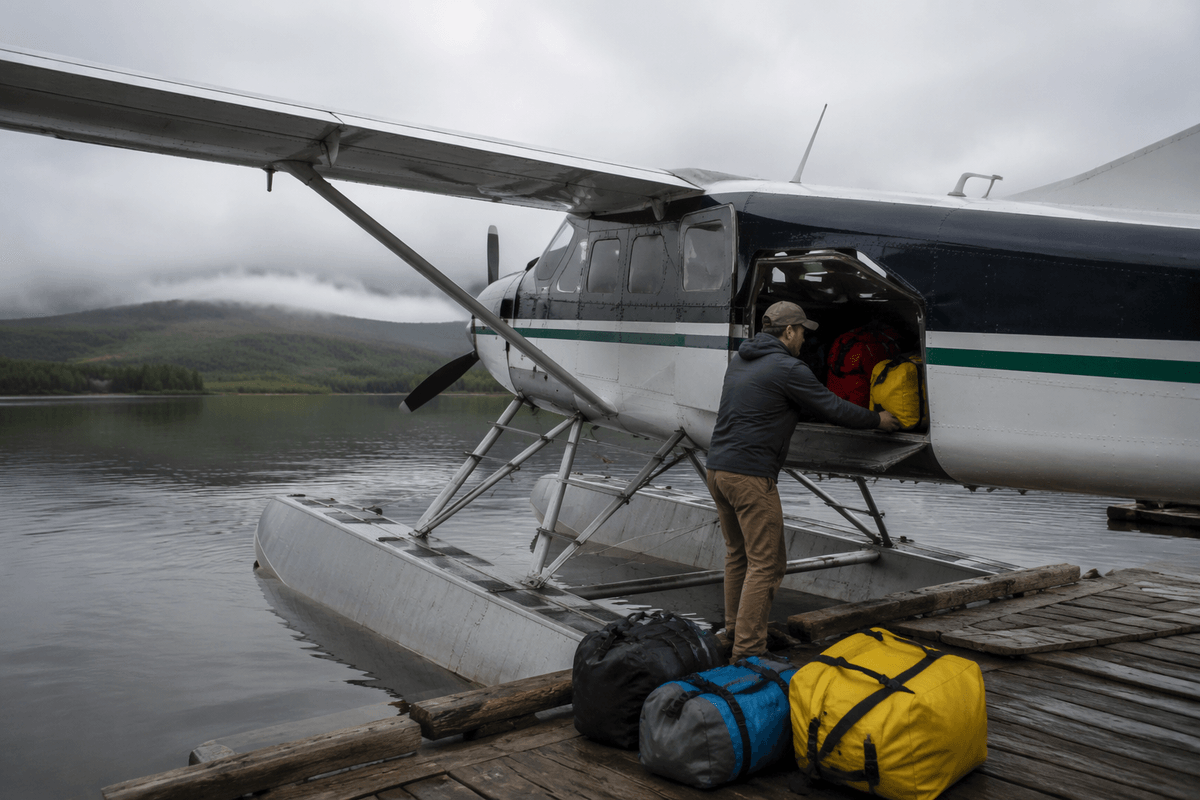
At the floatplane dock in Fort Simpson, I watched a pilot lash dry bags into the belly of a Beaver while someone ahead of us got told their flight would slip a few hours for weather. My phone showed “No Service,” and the only schedule that mattered was the river level and the cloud ceiling. It was a small, practical hesitation: once you’re in, you’re in—no popping out for groceries or a new rain shell.
Nahanni is the cleanest version of “true remoteness” on this list, and it’s not subtle about the trade-off. Compared with Slovenia’s easy resets or even Namibia’s drivable stretches, the bottleneck here is access cost and timing: most itineraries hinge on a charter flight (and the reality that fog, smoke, or wind can delay it). A 7–10 day PTO window can work, but only if you build a buffer day on both ends; otherwise one weather hiccup turns your big hike into a short walk near camp.
It suits couples who want wilderness scale—canyons, hot springs, wildlife sign, silence—more than they want a packed checklist. River travel (guided rafting/canoeing or fly-in base camping with day hikes) is the usual backbone, and it’s safer for late deciders than trying to improvise backcountry routes without local beta. If you find yourself doing the math and resenting it, that’s useful information: Nahanni is worth it when you’re willing to let the place, not the itinerary, set the pace.
Pick your trip in five minutes
At 7:12 a.m. on a Tuesday, I tried to make a decision with coffee cooling beside my laptop and eight PTO days penciled into a shared calendar. One tab had a flight arriving after dark, another had “limited inventory” on a rental car, and a third was a weather chart that looked like a dare. The problem wasn’t inspiration; it was choosing the kind of friction you can live with.
If you want dramatic nature with the least “what if,” start with Slovenia’s Soča Valley: fast transfers, marked hikes, and a real bed every night—your trade-off is crowd flow in July/August, so late May, June, or September tends to feel more like a trip than a queue. If wind-and-cliffs is the point, pick the Faroe Islands when you can tolerate weather-induced reshuffles and can lock in a car early; choose Tasmania’s Bay of Fires when you’d rather trade spontaneity for long, honest driving days that end on empty sand. Namibia’s Skeleton Coast is the moodiest payoff per mile, but it punishes loose planning—services are thin, and the “best” zones often tilt guided/fly-in. Nahanni is the only one where a single delay can eat your itinerary, so it works for couples who can afford buffers and don’t need to control every day.
Five-minute filter: pick your season first, then your tolerance. If a missed connection would ruin the trip, go Soča or Bay of Fires; if you’ll laugh it off and pivot, the Faroes is your kind of chaos. If you keep coming back to Namibia or Nahanni, treat that as a signal—plan fewer moves, spend a little more, and let the place set the pace.




![9 Best Schwab ETFs to Buy [Build Your Core for Cheap]](static/image/2026/07/14/a69dc979-3836-472e-a76d-f75927794650.png)