Your driveway math suddenly looks tempting
It usually starts on a weeknight when the primary car is tied up—someone’s stuck waiting, an errand gets postponed, and the idea of “just adding another car” feels like a tax on the household. Then you look at what’s already sitting in the driveway and what it costs every month: insurance, fuel, tires, and the slow drip of repairs. A motorcycle begins to look less like a hobby and more like a spreadsheet fix, especially if the second vehicle’s job is short commutes and quick store runs.
The temptation gets stronger when the “second car” quotes land: higher premiums, another registration, another set of worn brakes to replace. A bike price tag can come in lower, and the fuel math is hard to ignore. But the number that matters isn’t the purchase price—it’s the monthly carrying cost once gear, insurance rates, and routine maintenance stop being optional.
List what the second vehicle must actually cover
Before the motorcycle “wins” on monthly cost, the job description of that second vehicle has to get uncomfortably specific. Not “commuting and errands”—what days, what miles, what time of day, and what happens when the schedule slips. A bike that works for a 6-mile grocery run at 2 p.m. can fail the same route at 7 a.m. if it means darkness, dew on painted lines, and needing to carry a laptop and lunch without crushing them.
Make a short list of non-negotiables, then add the annoying edge cases that actually drive second-vehicle stress. Can it handle a surprise school pickup with a backpack and a science project? Can it carry two bags of groceries without forcing an extra trip (and extra fuel and time)? Does the rider need to arrive without looking soaked or wind-whipped for a customer meeting? If the primary car goes down for three days, can the motorcycle cover the longer detour, the highway segment, and the “must be there” appointment—or would you be paying for rideshares anyway?
Run the all-in cost numbers, not guesses
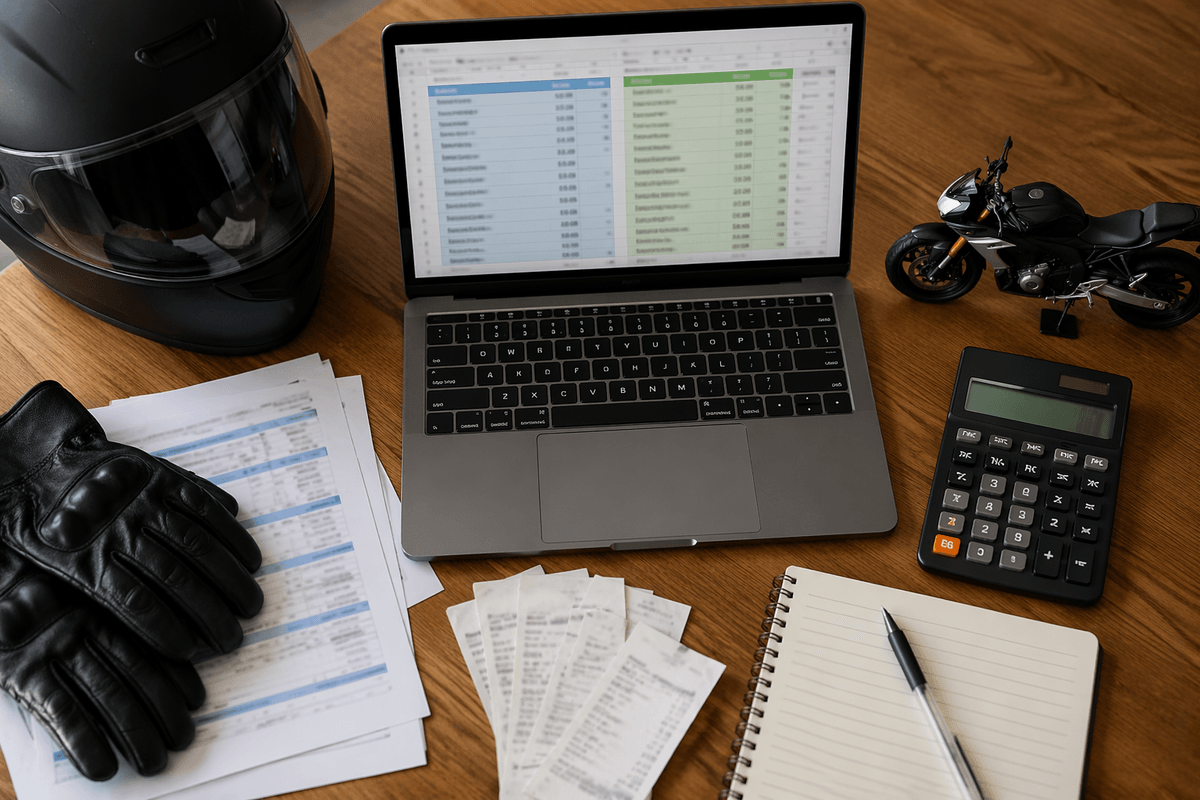
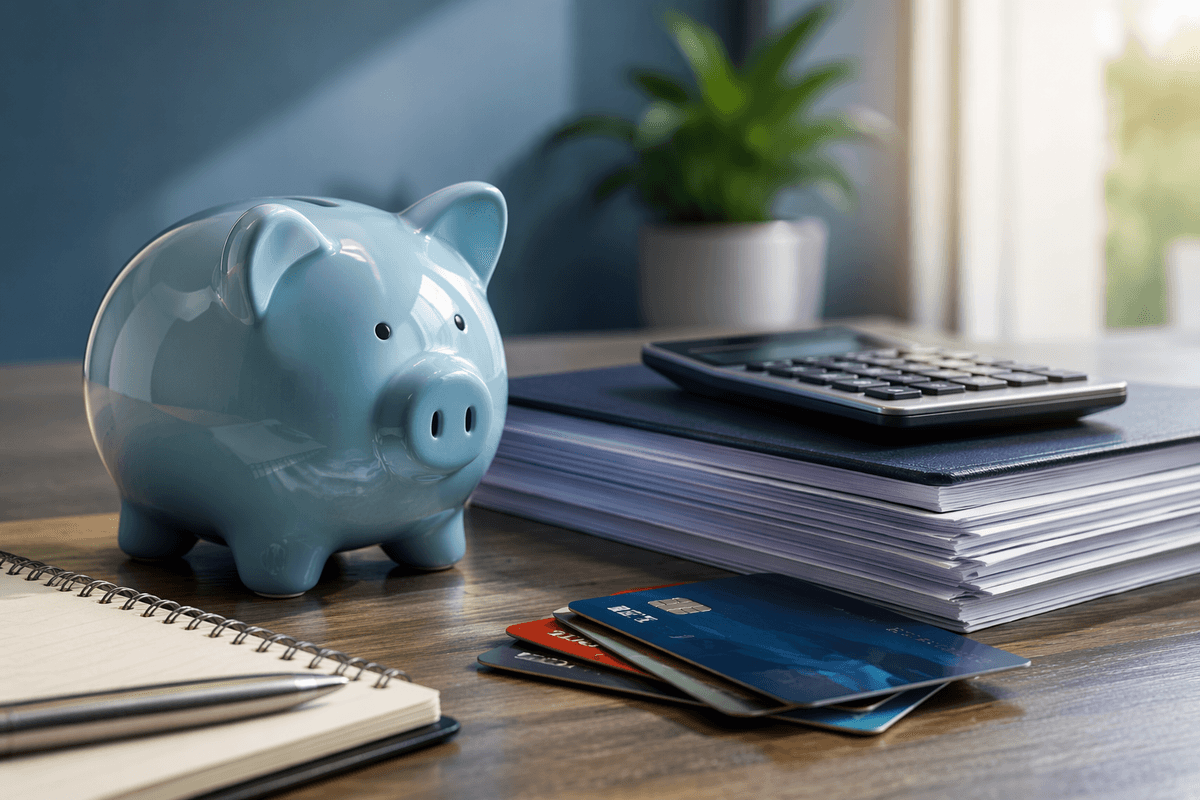
The first time you try to “price” a motorcycle as a second vehicle, the total often looks great—right up until you list the things you can’t skip. There’s the obvious payment (or cash outlay), but the monthly reality usually swings on insurance, gear you actually trust at speed, and the maintenance you’ll do sooner because many bikes chew through tires and chains faster than people expect. The constraint is timing: these costs land immediately, while the fuel savings show up slowly.
Put it in two columns: fixed costs and variable costs. Fixed: registration/taxes, insurance premium for the specific rider and zip code, parking if applicable, and a realistic gear budget (helmet, jacket, gloves, pants, boots, plus rain and cold layers if you expect shoulder-season use). Variable: fuel, tires, chain/sprockets or belt service, oil changes, brake pads, and the “oops” line item—locks, cover, and the one accessory you buy after the first wet commute. If you’re financing, add interest; if you’re paying cash, price the lost interest on that cash for honesty.
Then stress-test the math against your edge cases from the list: one rideshare week during bad weather, one extra set of tires sooner than planned, a higher insurance quote than the internet averages. If the savings survive those frictions, it’s probably real; if they vanish, the bike may still be worth it, just not as a budget hack.
Face the safety exposure and your tolerance
Once the numbers still look workable, the next question stops being financial and turns into exposure. A motorcycle doesn’t just change accident odds; it changes the consequence curve. A minor fender-bender that becomes a bumper claim in a car can become an ER visit on a bike, and the cost you’re really insuring against is time—lost workdays, rehab, childcare coverage, and the messy scheduling fallout that doesn’t show up in a payment calculator.
Make the decision concrete: price a basic safety stack (training course, high-quality helmet, abrasion-rated jacket/pants, gloves, boots) and then check your insurance structure the way you would for health coverage—deductibles, medical payments/PIP, and whether your disability coverage is real or wishful. Then map your actual riding exposure: night miles, highway miles, heavy traffic, and winter “low traction” days. If your weekly plan depends on riding when you already avoid driving, the savings are fragile.
If the plan still feels acceptable after you’ve priced the downside, you’re not guessing—you’re choosing.
Weather and seasons decide daily reliability
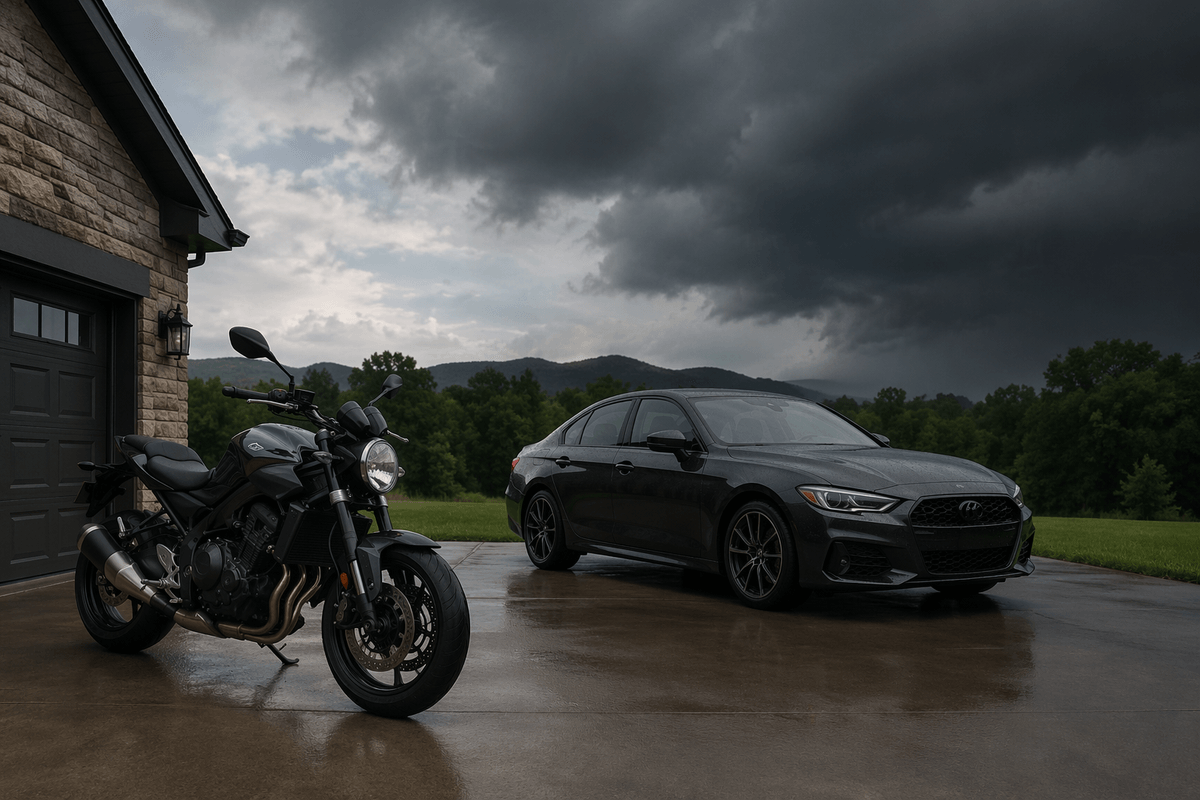
The first week tends to go fine, then the forecast changes and the “second vehicle” starts acting like a conditional option. A motorcycle can cover a lot of daily miles, but its reliability isn’t just mechanical—it’s weather-permissioned. The constraint shows up in the calendar: mornings that start below freezing, the month when it rains every other day, or the stretch when sunset hits before the commute home. Those aren’t rare exceptions in many places; they’re predictable seasons.
Look at your last year of weather like a budget category. How many days had heavy rain during your commute window, high winds on your main road, or temperatures cold enough that hands go numb even with decent gloves? Add the “wet road” penalty: longer following distances, slower stops, and more mental load in traffic. If the plan requires riding through those weeks, expect more bailouts—rideshares, swapping cars, rescheduling errands—which quietly adds cost back.
If you can treat the bike as a fair-weather workhorse and keep the primary car available for the ugly days, the savings stay intact. If you need it to be there every day, weather becomes the deciding line, not mpg.
Check the hidden friction: cargo, passengers, theft
The first time the bike “works” for commuting, it’s easy to miss how often the second vehicle is really a logistics tool. A backpack is fine until it’s a laptop plus lunch plus a return item, or a quick stop turns into a bulky purchase you didn’t plan. The friction is time: extra trips, rearranged errands, or paying delivery fees because the bike can’t swallow one oversized box. If the plan includes groceries, price real carrying capacity—top case, side bags, mounting hardware—and be honest about how often you’d actually use them.
Passengers are the next surprise constraint. Even if two-up is technically possible, it changes comfort, braking distance, and “can we do this right now?” If your household’s second-vehicle problem includes last-minute pickups, a motorcycle becomes a conditional answer unless there’s a clear backup.
Then there’s theft risk. A bike is easier to move, easier to strip, and more exposed. Locks, a cover, secure parking, and comprehensive coverage aren’t accessories; they’re the cost of keeping the plan intact.
Choose a low-regret path to try it
After all that, the lowest-regret move usually isn’t “buy the bike” or “forget it.” It’s setting up a trial that makes failure cheap. If you can borrow, rent, or buy used with a clean title and strong resale demand, you’re paying for information as much as transportation. Put a hard end date on the test—say 60–90 days—because a vague experiment turns into sunk-cost logic fast.
Run the trial like the job description you wrote: the same commute windows, the same errands, and the same cargo requirements. Track bailouts in real time—rideshares, swapping cars, delivery fees, missed plans—and give each one a dollar value. If the “bailout bill” stays small and the routine feels stable, you’ve earned the upgrade. If it climbs, you didn’t fail—you priced reality before it got expensive.
![9 Best Schwab ETFs to Buy [Build Your Core for Cheap]](static/image/2026/07/14/a69dc979-3836-472e-a76d-f75927794650.png)