Eurovision hype is fun, planning Bulgaria isn’t automatic
I paused over Google Maps at 11:48 p.m., Eurovision playlist still running, trying to trace a simple night out from Sofia’s Serdika metro to a club near NDK. The pins looked close, but the walking routes kept rerouting around underpasses and big junctions. It felt like planning Berlin with half the signage missing—doable, just not automatic.
Eurovision hype sells “Bulgaria” as a single, shiny idea, yet the on-the-ground version depends on what you want to spend your limited evenings on. If you’re here for music-themed nightlife plus a few headline sights, Sofia can cover a long weekend without stress; stretching to a full week only works if you’re willing to trade late nights for day trips (Rila Monastery, Plovdiv) and accept earlier trains or buses. Going car-free is realistic, but it rewards planning: some routes are frequent and cheap, others are “one missed departure equals half a day gone,” especially outside peak corridors.
Around festivals, big matches, or high-summer weekends, prices jump and the crowd flow shifts from “local energy” to “queue management,” which can flatten nightlife spontaneity. Off-peak, the value is better and you’ll hear more Bulgarian in the room—but shorter daylight and fewer late services can box you in. If that trade-off already sounds irritating, keep Bulgaria as a tight Sofia base; if it sounds like a fair swap, the week opens up.
Choose a base: Sofia, Plovdiv, or coast
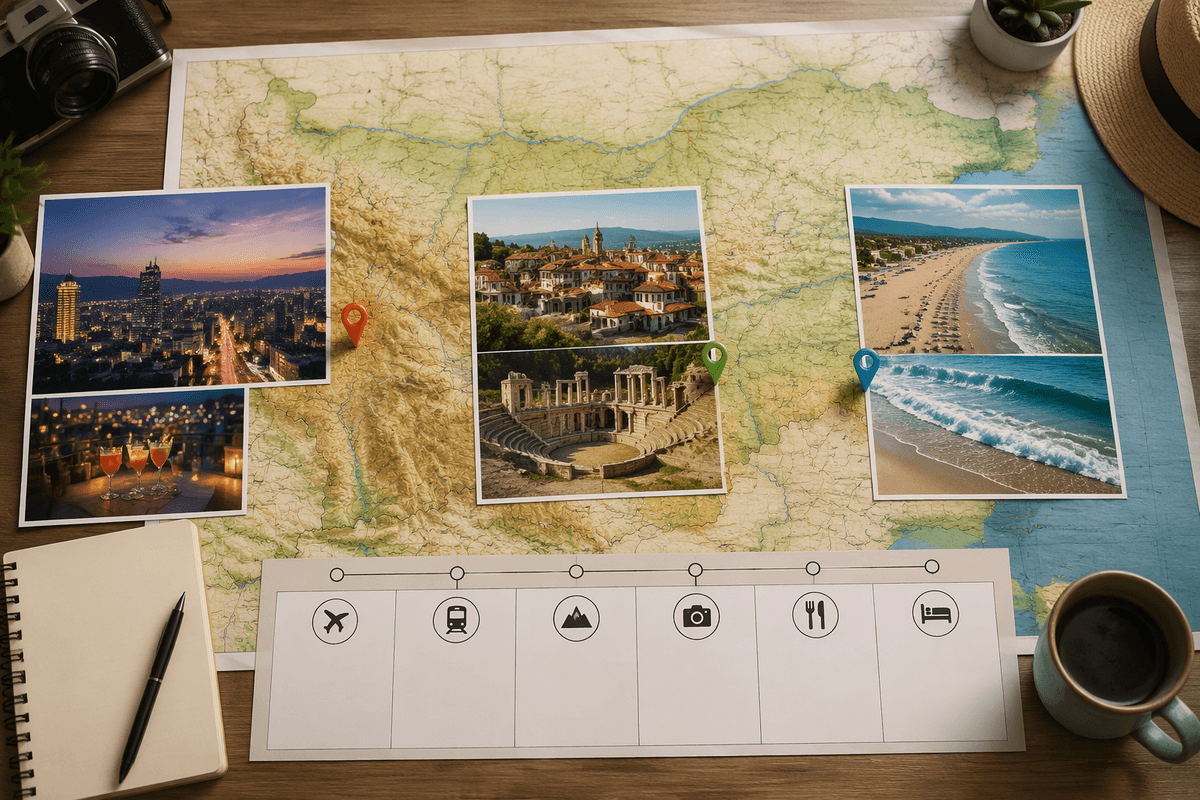
I hesitated in front of Sofia’s Central Bus Station at 7:20 a.m., coffee lid already leaking, staring at a departures board that didn’t match my screenshot from the night before. A Plovdiv bus was “soon,” a Varna one had a platform number that seemed to change every time a driver shouted. It was the first real reminder that your base isn’t a vibe choice here—it’s a time-and-energy budget.
If nightlife is the anchor, Sofia behaves like the safest bet: more venues, later options, and you can absorb one slow morning without losing the whole day. The “easy” nights often mean “hard” day trips—Rila and the mountains are possible without a car, but you’re committing to early departures and a slightly brittle plan (miss one bus, and your afternoon turns into waiting). Plovdiv flips that: it’s prettier per step and gentler to wander, but the week can feel quieter after midnight unless you’re happy with bars over full club energy.
The coast (Varna/Burgas) looks like the big summer upgrade, yet it’s the most seasonal: great when it’s warm and busy, oddly flat when it isn’t. For a 5–7 day break planned 2–4 weeks out, I’d choose Sofia if you want maximum “music-city” odds, Plovdiv if you want a calmer base that still feels iconic, and the coast only if beach time is non-negotiable—and you’re fine paying for it on peak weekends.
Time your trip beyond the winning song
At 6:03 p.m. on a Thursday, I watched my calendar and realized I was about to waste half my trip before it even started: late flight in, one decent night out, then a “must-see” day trip that required an 8 a.m. departure. That’s the hidden timing trap in Bulgaria—your nightlife ambitions and your bus/train reality don’t naturally line up. If you only have 5–7 days, a single mis-timed morning can feel like paying London prices to sit in a station café.
For the Eurovision-afterglow buzz, late spring into early summer is usually the sweet spot: longer evenings and a lively bar scene without the coast’s peak-weekend price spikes. High summer works if you want beach energy, but it’s the most “queue management” version of Bulgaria—bookings harden, and even Sofia can feel louder and pricier when everyone’s passing through. Shoulder months buy you value and more local texture, yet the trade-off is earlier nights and fewer “let’s just see where the night goes” transport options outside Sofia.
If you’re planning 2–4 weeks out, give yourself one flexible day in the middle—no long day trip, no booked tour—so you can spend a late night without wrecking the next morning. If that sounds like a luxury you can’t afford, Bulgaria is better as a focused Sofia weekend than a stretched, brittle week.
Track Bulgaria’s sound in real places
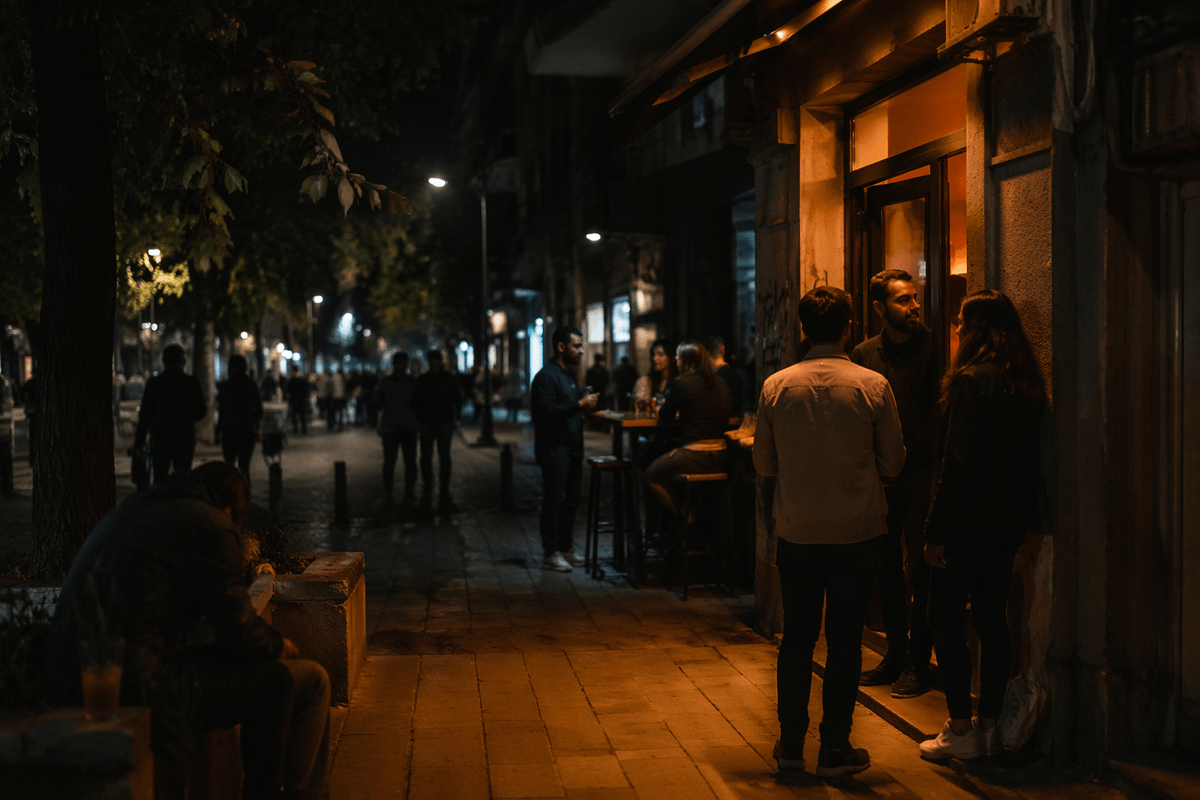
I stalled outside a small bar just off Vitosha Boulevard at 12:37 a.m., because the music bleeding into the street wasn’t what my Eurovision brain had queued up. Inside it was tighter, warmer, more “friends arguing over rakia” than sleek club night, and the DJ was stitching Balkan pop into house in a way that felt local-first. It was a useful correction: you can chase a Bulgaria that matches a TV edit, or you can follow where people actually go on a normal Friday.
In Sofia, your best “sound-tracking” is cluster-based, not landmark-based. The area around NDK and up toward Vitosha Blvd works if you want to venue-hop with minimal taxi reliance; you’ll trade some authenticity for convenience, but you’ll actually make it to a second spot before 2 a.m. If you’re craving a more alternative edge, expect more walking, more door uncertainty, and the occasional “cash only” reality—fun when you’re fresh, annoying when you’re tired.
Plovdiv reads differently: prettier streets, slower nights, and a scene that rewards patience rather than bouncing. It suits you if your “Eurovision trip” means live sets, bars with character, and waking up capable of sightseeing, but it won’t reliably scratch the big-club itch. If you only take one day trip for music texture, aim for a night in Plovdiv and accept the trade-off: you’re buying atmosphere, not volume—and you’ll want an early-ish return plan if you’re staying car-free.
Plan logistics that keep it effortless
I froze at a Sofia metro gate at 12:11 a.m., phone on 7%, because the top-up screen had flipped into Bulgarian and the queue behind me had zero patience. A taxi would’ve been faster, but it was raining and the pickup pin kept drifting across the boulevard. That small stutter is the trip in miniature: Sofia can feel easy until you’re tired, late, and one tap away from the wrong line.
If you’re going car-free, treat Sofia as your “late nights” zone and everything else as “daylight logistics.” The metro is brilliant for predictable hops, but it stops early enough that you can’t build a whole nightlife plan around it; after midnight you’re trading cost (taxis) for control (walking) and you’ll feel it on night three. For day trips, book what’s brittle: guided Rila transport or a fixed bus ticket when departures are sparse. Leave the flexible stuff—museum slots, a second bar, even a thermal spa—unbooked so one slow morning doesn’t domino.
Cash and timing sound boring until they’re the only reason you miss a night. Keep small notes for “cash only” bars, carry a backup battery, and screenshot key Cyrillic stop names so you’re not translating under pressure. If you want maximum buzz with minimum admin, base in central Sofia and do Plovdiv as one overnight; if you hate early starts, keep it Sofia + one easy day trip and spend the energy where you actually care: the evening.
My best first-timer week from this moment
At 09:12 on a Monday, I’d be standing in Sofia Airport arrivals with a takeaway banitsa in one hand and a hotel check-in message in the other, doing the quick math: if I push too hard today, I’ll pay for it on night two. The temptation is to “start sightseeing immediately,” but Bulgaria punishes fatigue more than it rewards ambition. I’d rather buy time than collect pins.
Days 1–3: base yourself dead-central in Sofia (so late-night taxis are short and cheap-ish) and keep daylight plans lightweight—Alexander Nevsky, a slow Vitosha Blvd loop, then an early-evening reset before you go out. Slot one “structured” day trip on Day 2 or 3 (Rila via a prebooked transfer or tour) because it’s the brittle one; freewheel the rest. This works if you’re here for nightlife first, but it’s a poor fit if you need mountain hikes daily without a car.
Days 4–5: do Plovdiv as a single overnight—arrive mid-afternoon, old town at golden hour, bars/live sets later, then a calm morning wander before you head back. Days 6–7: keep Sofia flexible for whatever you missed (a museum, a park, a second club night) and fly out without a dawn sprint. If the early start for Rila already feels like a deal-breaker, that’s your cue: keep it Sofia + Plovdiv and call it a focused win.





![9 Best Schwab ETFs to Buy [Build Your Core for Cheap]](static/image/2026/07/14/a69dc979-3836-472e-a76d-f75927794650.png)