Picking Europe in spring is really choosing tradeoffs
At 11:42 p.m., with Google Flights open and two mugs of tea going cold, I hovered between Barcelona and Amsterdam—$180 difference, and a weather forecast that didn’t feel like a forecast. The map made it look simple: go south for warmth, go north for spring scenery. Then the calendar popped up with Easter week, and suddenly “pleasant” started looking like a moving target.
Spring in Europe is less a single season than a set of swaps. The Mediterranean can buy you softer evenings and outdoor dinners, but it also tempts you into beaches that are still chilly and cities that can surge with school breaks. Northern Europe can deliver tulips and long walks without midsummer heat, yet you’re trading for wind, shorter patio hours, and the risk that your prettiest day is the one you’re stuck on a train.
For an 8–10 day trip booked 3–4 weeks out, the friction is mostly timing: weekends inflate hotel prices, festival dates bend crowd flow, and “shoulder season deals” disappear fast in walkable food cities. If you want reliable sit-outside weather, you’ll tolerate more people; if you want quieter streets, you’ll pack a rain layer and accept a few gray meals indoors. Pick which disappointment you can live with before you pick the postcard.
Start with your spring dates and weather
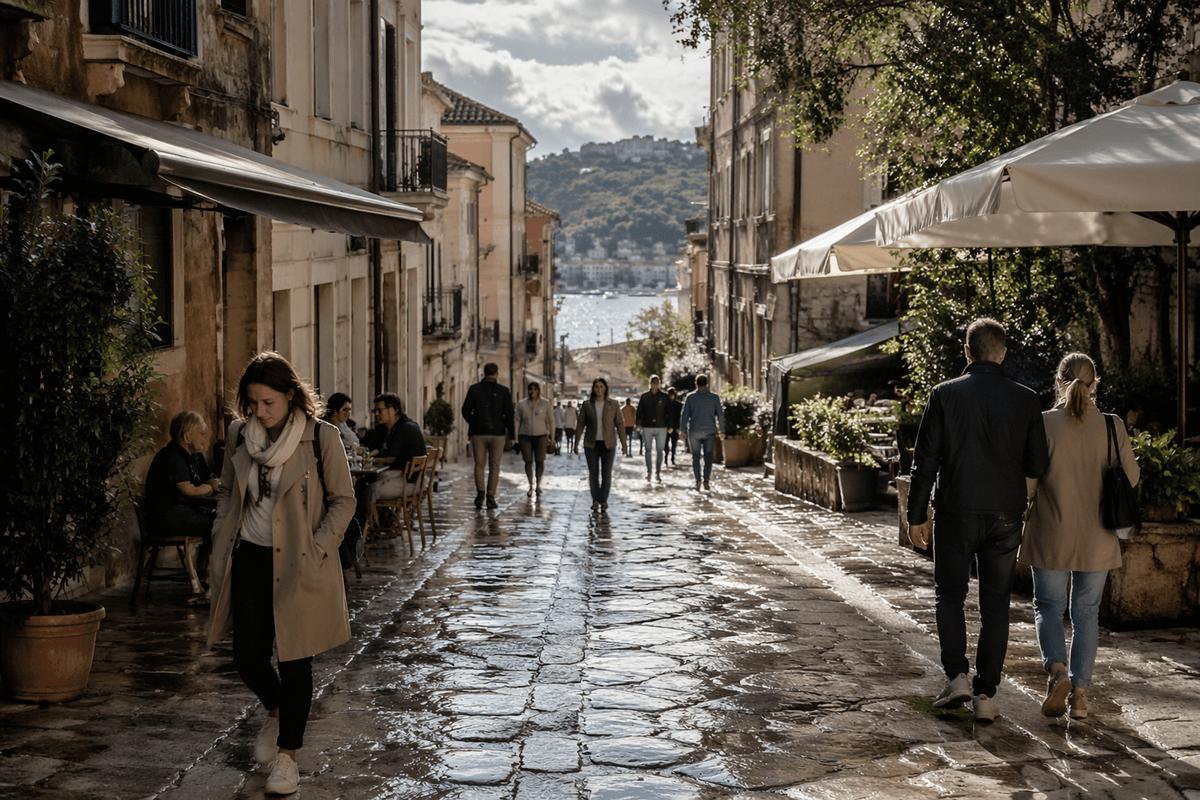
On a Tuesday in early April, I watched the hourly forecast for Lisbon flip from 67°F and sunny to “showers” in the span of one refresh, and I realized I was treating spring like a promise instead of a range. Those 8–10 days you have are less “April/May” than a specific slice of shoulder season with its own personality. The same city can feel like patio weather or trench-coat weather depending on whether you land before or after a warm front.
Start by pinning your exact dates, then zoom out to what’s happening around them. Easter week (and the weekends orbiting it) can behave like a mini-peak season: pricier flights, tight hotel inventory, and crowdier old towns—great if you want buzz, exhausting if you’re chasing quieter walks. Early April tends to be more volatile than May, and coastal places can read warmer on paper but stay windy and damp compared with inland cities at the same temperature.
Then get practical about microclimates and daylight. Northern “spring” can mean gorgeous light and cold fingers; the Mediterranean can mean comfortable afternoons and chilly dinners once the sun drops. If your trip hinges on tulips, outdoor markets, or rooftop bars, build a Plan B day you’d still enjoy in rain—and choose a base where that backup is walkable, not a 40-minute transit gamble.
Decide what you want to feel
At 6:10 p.m. in a light drizzle, I watched a couple in Florence keep their gelato in one hand and an umbrella in the other, shuffling past a line that didn’t move. It wasn’t “bad weather,” exactly—it was the wrong mood for what they’d paid for. Spring can be romantic in the rain, but only if you’re not trying to live outdoors the whole time.
Before you pick a country, pick the feeling you’re chasing, because it changes what counts as a “good” day. If you want long, unhurried walks and outdoor dinners, you’re really shopping for evenings that stay mild—think southern Spain, Sicily, or coastal Portugal in May more than early April, with the trade-off that popular old towns clog up around weekends. If you want cozy-city energy (markets, museums, wine bars), cooler places like Copenhagen, Edinburgh, or Paris can still work in April, but you’ll spend more time indoors and you’ll care a lot about how walkable your base is when the wind kicks up.
Also decide how much “buzz” you can tolerate. Some couples love a festival week because it makes a Tuesday feel alive; others hit a wall by day five when every good restaurant needs a reservation and dinner turns into a logistics problem. If you’re booking 3–4 weeks out, choose one primary feeling and protect it: either prioritize a compact neighborhood that’s easy in rain, or pay a little more for the warmer evening city where you’ll actually use the patios.
Match the destination to your budget reality
At 8:27 a.m., I tried to “just check” a few hotels in Rome for a mid-May Tuesday-to-Thursday, and the tab count got embarrassing fast. One place looked reasonable until the final screen tacked on city tax and a non-refundable rate; another was cheaper but a 35-minute walk from anything you’d actually want to do at night. The sticker shock wasn’t the nightly price so much as how quickly convenience became the hidden upgrade.
For a mid-budget couple booking 3–4 weeks out, flights are usually the part you can game a little, while walkable lodging is the part that punishes hesitation. Big-name food cities (Paris, Amsterdam, Barcelona, Florence) behave like mini-peak season whenever a long weekend, Easter timing, or a school break hits; the same itinerary can cost less simply by landing Monday instead of Friday. Meanwhile, “warm” can be a false bargain: shoulder-season Mediterranean flights can look great, but if evenings are chilly you’ll spend more on taxis, reservations, and indoor meals you didn’t plan for.
If your budget is tighter, pick one splurge axis and keep the other boring. Either pay for location (so rain days stay easy) and accept simpler restaurants, or chase the food scene and stay slightly outside the postcard core—works well in Lisbon, Seville, Valencia, Bologna—places where a 15-minute transit ride doesn’t kill the vibe. When a destination makes you compromise on both, that’s usually the cue to change cities, not “optimize harder.”
Check logistics before you fall in love
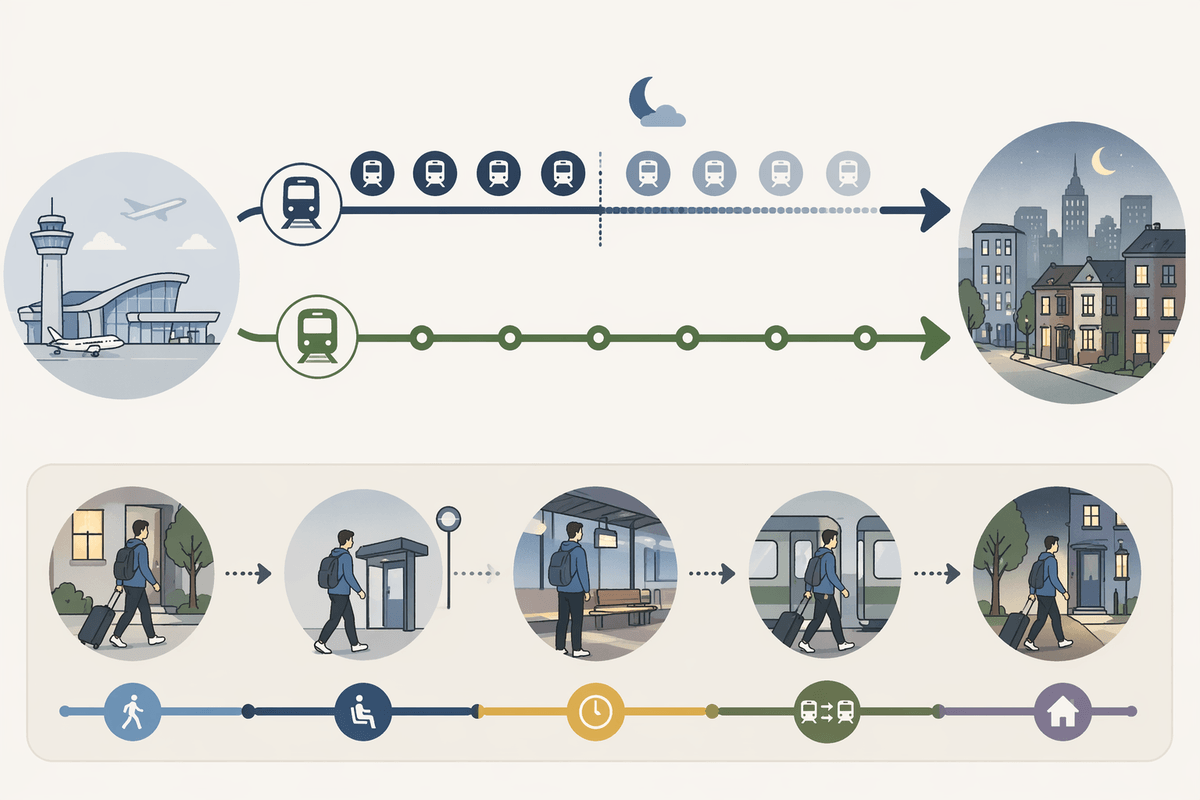
Three weeks out, I tried to lock in a “cheap” flight to Nice that landed at 10:55 p.m., and the hotel check-in window ended at 11. Suddenly the €40 savings looked like a taxi sprint plus a late-night stress tax. The route was technically workable; it just wasn’t kind.
Before you get attached to a city, run the boring checks that decide whether your days feel spacious or fragmented. Look at airport-to-neighborhood transfers after 9 p.m. (some train frequencies drop hard), and compare them to a place with a simple metro ride—especially if you’re aiming for walkability and fewer crowds. Then map your “must” day trips with real departure times: a 2-hour train on paper can become a 3.5-hour door-to-door commitment once you add station walks, buffers, and the part where you’re tired and hungry.
Spring also has sneaky availability limits: ferries and coastal routes may still be on reduced schedules, some smaller museums keep shorter hours, and Sundays can compress dining options in ways that push you into touristy spots unless you reserve. If your dates touch Easter week or a long weekend, assume tighter restaurant inventory and pricier, inflexible hotel rates—fine if you want buzz, frustrating if you’re trying to “wander and decide.” A destination that stays easy even when Plan A slips is usually the one you’ll love in real life.
My fastest picks for each spring mood
At 4:58 p.m., I stared at a May calendar and realized I was still shopping for a “best” city instead of a best-fit week. The flight deal to Amsterdam looked great until I pictured wind on the canals, while Seville’s prices spiked the moment I nudged the dates toward a weekend. Even the “simple” choice—warmth vs flowers—kept turning into a timing problem.
If you want easy outdoor eating with the fewest weather tantrums, I’d move fast on Seville or Valencia in May: not empty, but the patio odds are better than Paris in April, and you’re not paying the coastal-resort premium. The trade-off is crowd compression on weekends and around Easter, plus midday heat that can make a long walking day feel like work. If you want spring scenery and long light, Amsterdam or London can be perfect—when you’re okay with a rain plan and you don’t build the trip around one “peak bloom” day you might miss.
For cozy-city food mode (markets, trattorias, aperitivo without needing perfect skies), Bologna is my quickest yes: smaller than Florence, easier to eat well without booking your entire life, and a good rail base when you want a day trip but not a suitcase shuffle. If your mood is sea-and-stroll, aim at Lisbon in late April/May and accept that Atlantic evenings can feel colder than the temperature reads. My cue: pick one mood, then choose the city that still works on your worst-weather day.


![9 Best Schwab ETFs to Buy [Build Your Core for Cheap]](static/image/2026/07/14/a69dc979-3836-472e-a76d-f75927794650.png)