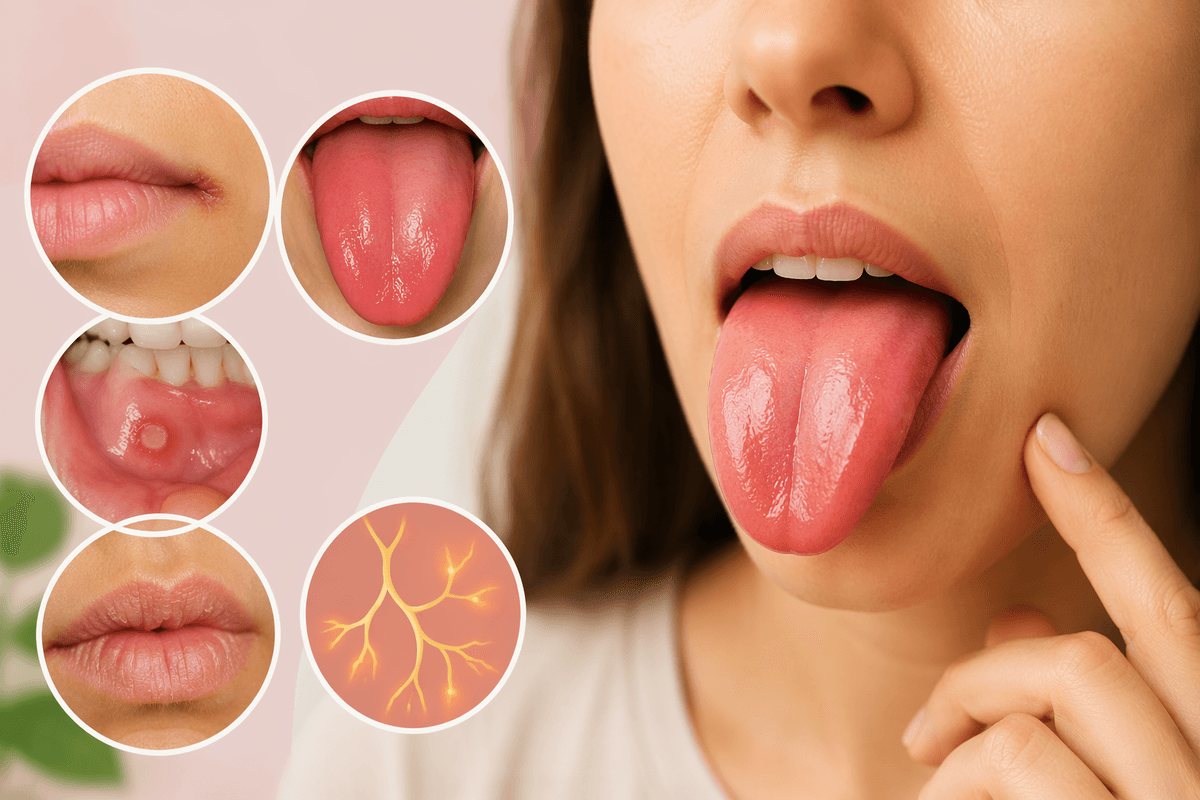
The promise of “gentle herbal support” versus reality
The first few days, it often feels almost too simple: a warm mug, an herbal taste, and the quiet hope that something “balances out” without you having to do much else. Then the reality shows up in smaller, less dramatic ways—an extra bathroom trip, a slightly different fullness after meals, skin that looks the same until one morning it doesn’t, or a week where nothing seems to shift at all.
What makes spearmint tea feel “gentle” is also what makes it easy to misread. It’s not a jolt like caffeine; it’s a daily nudge—more fluid, different plant compounds, and sometimes fewer sweetened drinks or coffee because the tea took their place. Those swaps can change reflux, bloating, sleep depth, and cravings on their own, which is why the body’s signals can feel inconsistent at first.
Over a few weeks, the useful question usually isn’t “Is spearmint working?” so much as “What patterns keep repeating?” Noticing when you drink it, how much, and what it replaced can make the changes—good, annoying, or neutral—feel more interpretable and less like a promise that should have already paid off.
How spearmint’s compounds interact with digestion signals
Sometimes the first clue isn’t your skin at all—it’s that your stomach feels “quieter” after lunch, or oddly sloshy, like you drank more than you meant to. Spearmint brings along aromatic oils and polyphenols that can change how the gut reads a meal: for some people the warmth and minty compounds feel settling, and for others they create a little too much looseness in the system.
In practice, I see two common, almost opposite patterns. One is less gassy pressure because mint can nudge the gut toward relaxing and moving along. The other is a subtle uptick in reflux or throat burn, especially if the tea is strong or taken right after eating—mint sometimes relaxes the valve at the top of the stomach, which can make “backflow” easier.
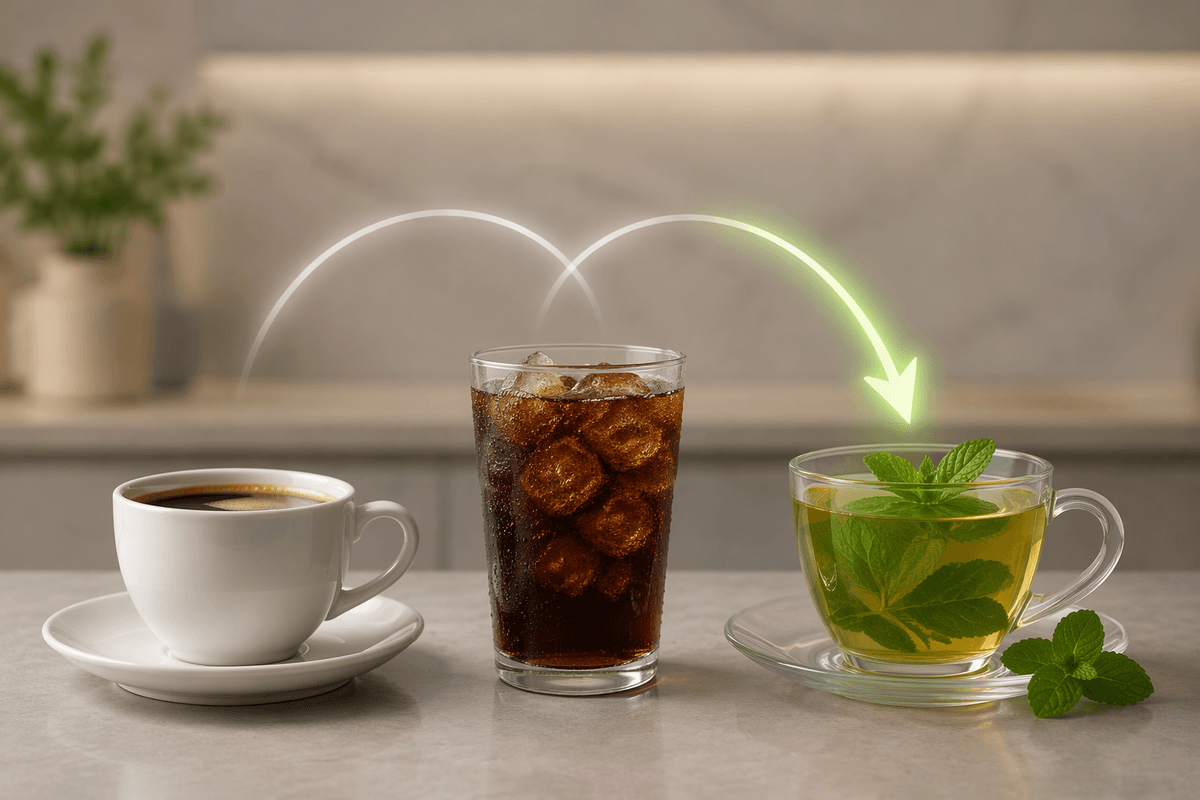
It also gets messy because the tea often replaces something: coffee, soda, or a sweet snack. When digestion feels different, it may be the swap plus the timing—not a single ingredient behaving like a switch.
Skin and androgen-related effects people notice gradually
A week or two in, the shift people describe is rarely “my acne vanished.” It’s more like: your forehead looks a little less shiny by late afternoon, or your chin still breaks out but the bumps feel smaller and don’t hang around as long. Then you’ll get a random flare and assume the tea stopped “working,” when it may just be your usual cycle of skin catching up to stress, sleep, sweat, or a change in products.
Spearmint gets talked about in an androgen-adjacent way for a reason, but in real life the signal—if you have one—tends to be slow and easy to overread. Skin oil production and inflammation respond to many inputs, and even a modest hormonal nudge can be masked by what the tea replaced. If spearmint tea took the place of sugary coffee drinks, energy drinks, or late-night snacks, you might see steadier skin simply because you removed a daily spike-and-crash routine.
What helps is watching the boring details: oiliness at the same time each day, jawline versus forehead patterns, and whether breakouts track with sleep disruption or reflux. If the pattern continues, it usually looks more like a gradual tilt than a dramatic before-and-after.
A calming cup that sometimes disrupts sleep rhythms
It’s often the evening cup that surprises people: you feel pleasantly unwound, your shoulders drop, and then you’re wide awake at 2 a.m. wondering how an herbal tea could possibly be the reason. The next night you sleep fine and assume it was stress—until the pattern repeats just often enough to feel suspicious.
In some bodies, minty teas can read as “soothing” in the moment but still shift sleep indirectly. More fluid late in the day can mean a bathroom wake-up you didn’t used to have. And if spearmint nudges reflux for you, even mildly, that throat warmth or micro-cough can keep your nervous system on alert. The disruption isn’t always dramatic; it’s lighter sleep, more vivid dreams, or waking right before your alarm with that wired-tired feeling.
If the tea replaced an evening snack, dessert, or alcohol, your sleep can change for multiple reasons at once. Over a few weeks, the clearest signal tends to be timing—when the “calm” cup lands versus when your sleep starts to fragment.
Blood sugar and appetite cues can shift quietly
Mid-afternoon is where it tends to show up: you realize you’re not hunting for something sweet the way you usually do, or you feel oddly snacky even though lunch was normal. People often credit (or blame) the tea right away, but the quieter shift is usually what the tea displaced—less caffeine, less added sugar, fewer “liquid calories,” and a different rhythm of sipping something warm.
When those swaps stick for a couple of weeks, appetite cues can feel less sharp. Without the spike-and-crash from a sweetened drink, you may notice steadier energy, fewer jittery cravings, and a more gradual return of hunger. On the flip side, if the tea becomes a stand-in for a real snack, the body can push back later with stronger evening cravings or that hollow, slightly nauseated “need food now” feeling.
The stress, sleep fragmentation, and reflux can all scramble hunger signals. That’s why it helps to notice patterns like “tea on an empty stomach” versus “tea after a balanced meal,” rather than assuming it’s changing your blood sugar in a dramatic, reliable way.
When a reasonable daily habit creates unexpected discomfort
It usually starts as a small annoyance you can’t quite place: a faint queasiness on the drive to work, a slightly raw throat after dinner, or that “too empty but also not hungry” feeling when you thought you were doing something gentle. Because it’s not dramatic, people tend to power through it for a week or two, then suddenly realize they’ve been subtly compensating—more mints, looser pants, skipping breakfast, or going to bed earlier because they feel off.
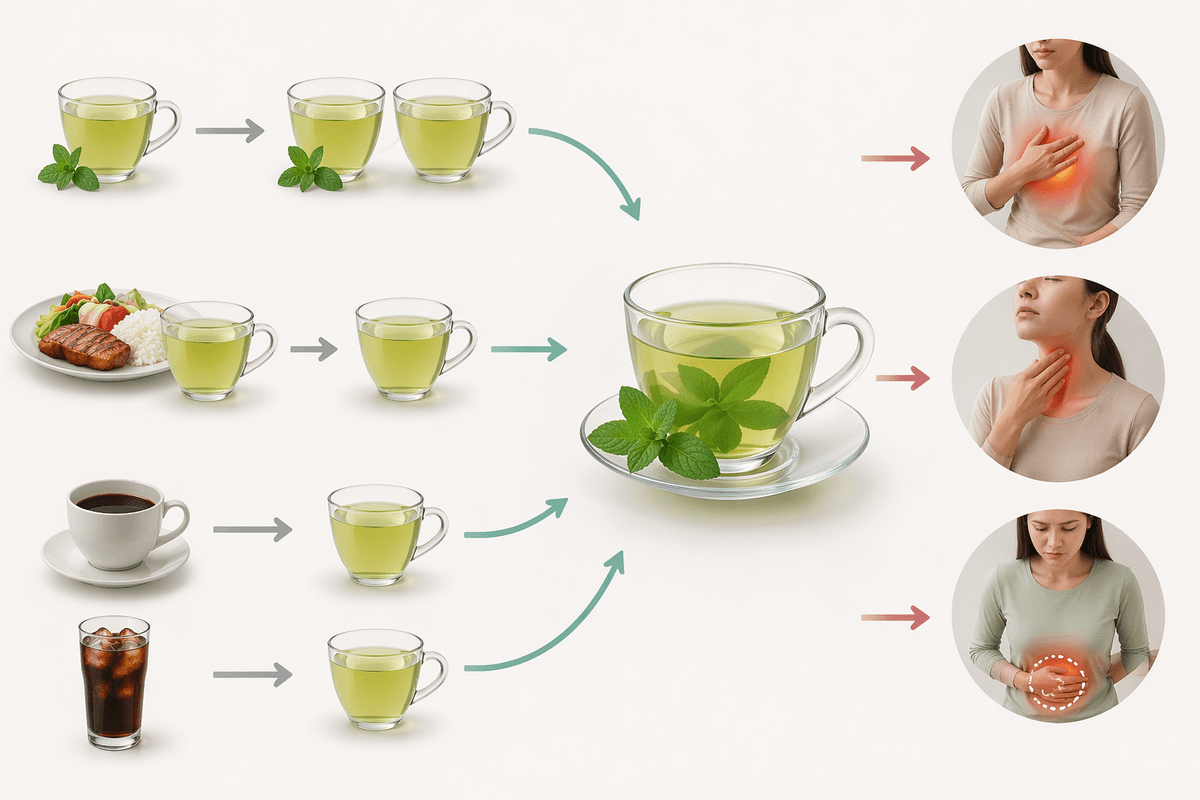
When spearmint tea becomes a daily habit, the discomfort often isn’t from one big reaction so much as a few minor shifts stacking up. A stronger brew, an extra mug, or drinking it right after meals can make reflux-prone people feel more burn or pressure, especially if mint relaxes that “keep it down” valve a bit. On an empty stomach, the same tea can feel like it hits harder—more gurgling, more urgency—because there’s less food buffering both the fluid and the plant compounds.
If spearmint replaced coffee, your head may feel dull for a while; if it replaced a sweet afternoon drink, you might feel strangely flat or ravenous later. The habit is reasonable, but the body notices the swap, the timing, and the dose—and the discomfort can be your first hint that one of those variables isn’t actually matching your day.
Making sense of patterns without over-crediting one tea
Somewhere around week three, people start doing the mental math in the mirror and at the dinner table: “Was that breakout smaller because of the tea, or because I finally slept?” “Is my stomach calmer, or did I just stop chasing coffee all morning?” The frustration is that the signals don’t arrive in a neat package. You might get better afternoons and worse nights, or clearer forehead skin with the same old jawline cycle.
When you step back, the most useful pattern is usually the simplest one—dose, timing, and replacement. A strong mug on an empty stomach tends to announce itself differently than a lighter cup after food. A late cup that nudges reflux can look like “mysterious insomnia,” while a daytime cup that replaces a sweet drink can look like “better cravings” even if your skin doesn’t change much. Inconsistent results don’t always mean nothing is happening; they often mean more than one input changed at once.
If you keep noticing the same cluster—oiliness shifts plus steadier appetite, or throat burn plus fragmented sleep—it’s a clue to adjust your story before you adjust your identity around a tea. Spearmint can be part of the picture, but it rarely deserves all the credit, and it shouldn’t take all the blame either.