The real choice isn’t where, but how
At 6:12 a.m., I zoomed in on a map until the streets turned into thin gray threads, trying to decide between two “must-see” neighborhoods. The pins looked evenly spaced, like a simple loop, but the route planner quietly added forty minutes of transfer time and a steep hill I hadn’t noticed. It was the first reminder that the destination wasn’t the hard part—how you move through it is where the trip gets made or lost.
Most places can deliver the same headline sights to everyone on the same schedule, which is comforting when you’ve only got 7–10 vacation days and you’re booking 4–6 weeks out. The trade-off is that convenience often comes bundled with crowd flow: timed entries, slow queues, and that odd feeling of seeing something “famous” through other people’s phones. Niche travel isn’t automatically better; it just changes the operating system—smaller groups, narrower windows, and more dependence on one guide, one harvest, one tide.
For a mid-range budget, the real question becomes: do you want certainty or texture? A mainstream day tour may be cheaper and easier to slot between meetings and dinner reservations, while a pottery studio visit or foraging walk can cost more per hour but give you a story that sticks. If you’re already tired, the hyper-specific plan can backfire—too many micro-stops, too much transit—yet when it clicks, it feels less like “checking off” and more like learning a place from the inside.
When crowds dilute the travel payoff
At 10:37 a.m., I watched a museum guard point at my phone screen and shake his head: our timed slot had slipped by six minutes while we were stuck behind a tour group funneling through a single security lane. Outside, the line curled past the fountain like it was part of the exhibit, and the only “quiet” spot was a stairwell where people kept stopping to retie shoes. It wasn’t disaster, just that subtle leak of energy you don’t notice until lunch is suddenly later than planned.
Crowds don’t just add waiting; they change the shape of what you can learn. In a packed tasting room, the host shifts from questions to crowd control, and you end up with the same three facts everyone else gets—efficient, but flat. The comparison that matters is attention: in a group of thirty, you’re buying access to a schedule; in a group of six, you’re buying the right to linger, to ask the “why,” to make a small mistake and have someone correct it.
Small-group experiences often have tighter start times, fewer backups if it rains, and a higher cost per hour—especially when you’re booking 4–6 weeks out and the prime slots are already gone. Still, if your window is short, it can be worth paying to reduce friction: fewer choke points, fewer transfers, and a better chance your afternoon story isn’t just “we stood in line.”
Identity-first trips and micro-communities

At 9:18 p.m., I hovered over a “sold out” badge for a six-person ramen workshop, refreshing like it might blink green if I waited long enough. The mainstream food tour still had twenty-four seats tomorrow, but this one needed a deposit, a WhatsApp number, and a promise to show up exactly at 6:00. It felt less like shopping and more like asking to be let in.
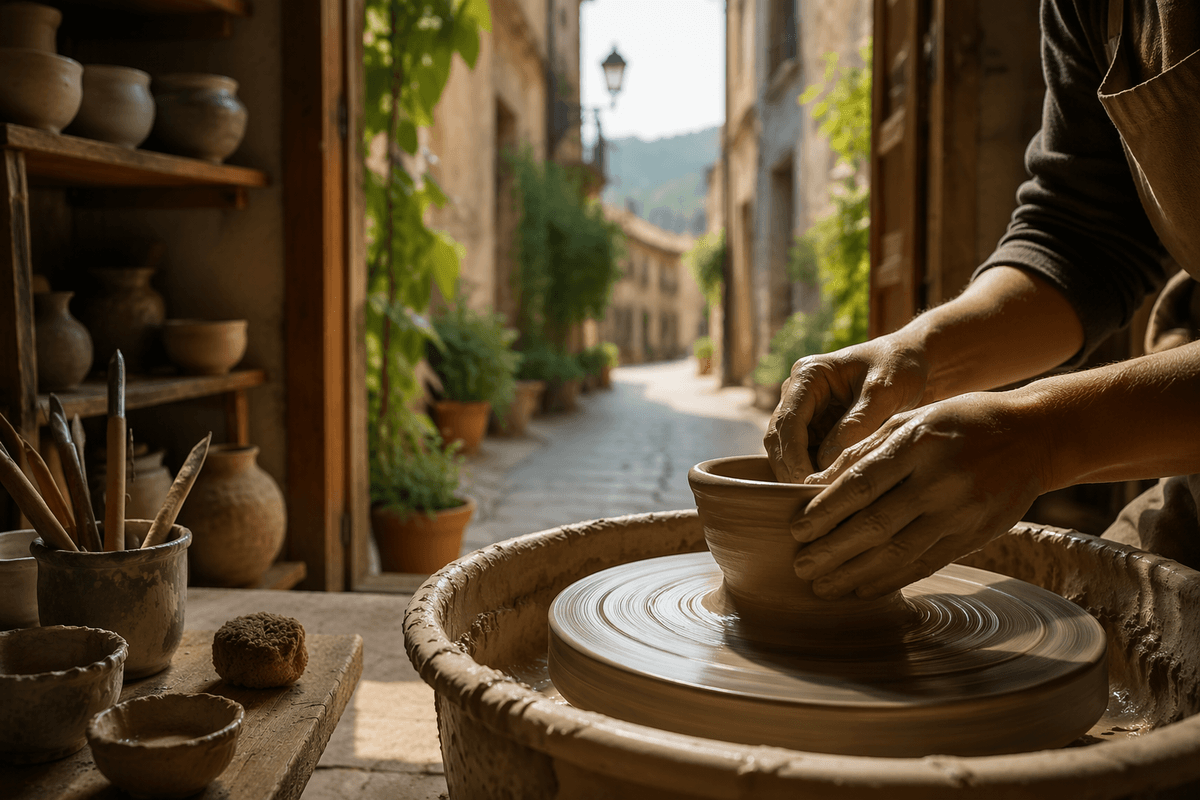
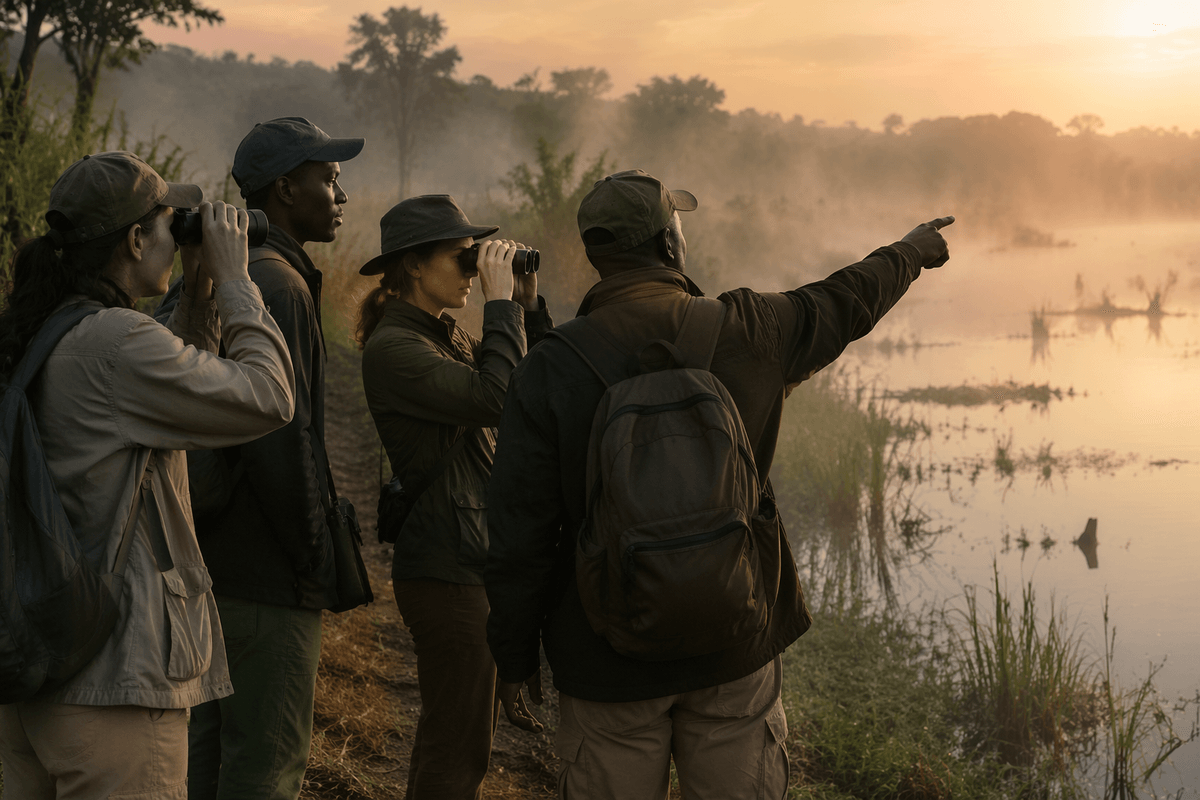
That’s the quiet shift behind identity-first trips: you’re not just consuming a place, you’re borrowing membership in a micro-community for a few hours. Compared to big experiences built for strangers, these run on shared context—ceramics people who can talk glaze for ten minutes, birders who hear what you don’t, climbers who treat a route like a story. The upside is texture and attention; the limitation is that your fit matters. If you’re only vaguely curious, the same specificity that makes it feel “inside” can land as awkward or overpriced.
Logistics get sharper, too. Small groups don’t absorb late trains or bad weather as easily, and a single guide’s personality can make the day feel intimate or… slightly performative. Still, for travelers with 7–10 days and a selective splurge budget, one identity-first anchor can beat three generic stops—especially when you choose something with a real constraint (season, tide, studio hours) instead of a rebranded “VIP” line-skip.
Platforms that make niche easy to book
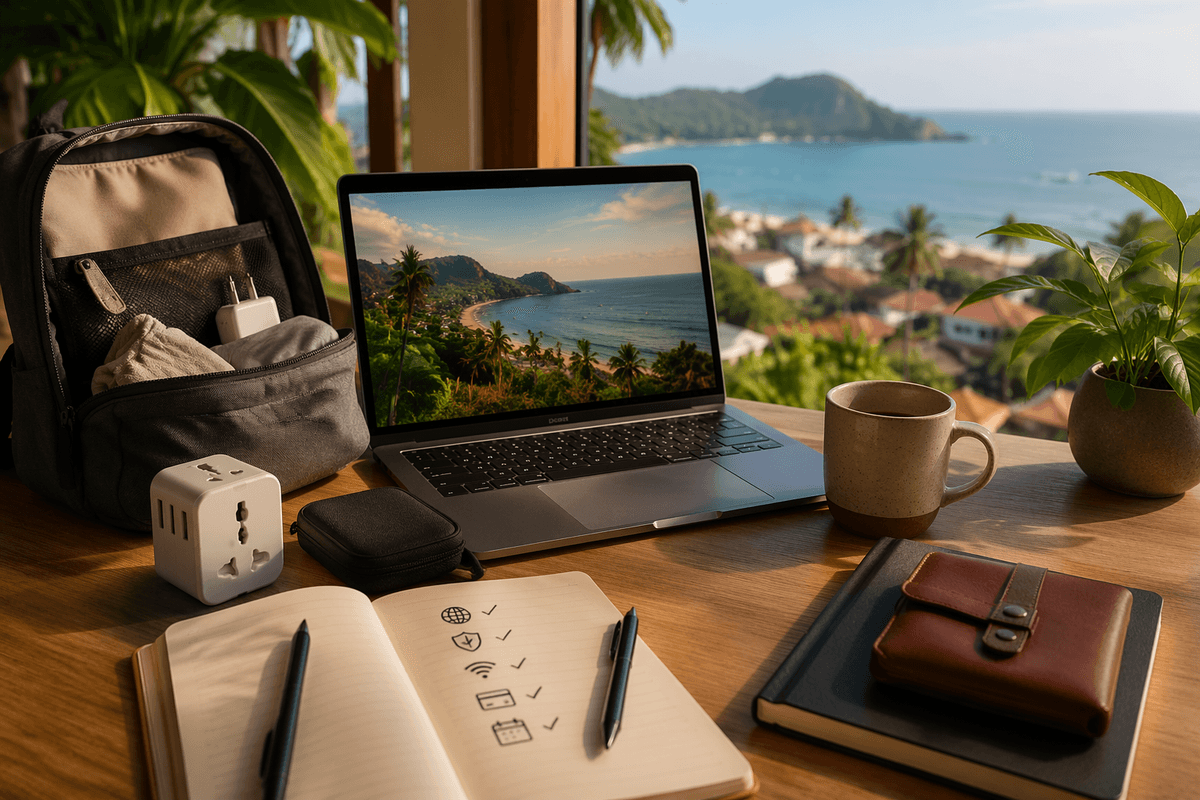
At 7:46 a.m., I had three tabs open and a half-written email to a glassblower I’d found on Instagram, when a platform message popped up asking for my dates and language in two clicks. The studio’s own site wanted a bank transfer and a local phone number; the marketplace wanted a card and a cancellation window. Convenience wasn’t just ease—it was a deadline I could actually meet before work swallowed the day.
These platforms are why niche travel is suddenly bookable at “4–6 weeks out” instead of “maybe next season.” The best ones make trade-offs visible: group size, what’s included, how weather is handled, and whether you’re paying for access or for packaging. Reviews help, but they can also flatten the weirdness you actually want—five-star “great guide!” tells you less than a few specifics about pace, tools, and how much hands-on time you get compared to watching.
There’s a limit, though: marketplaces reward experiences that scale cleanly. A tide-dependent foraging walk or a working studio that stops to fill wholesale orders won’t always look “optimized” online, and last-minute inventory can vanish fast. If you’re wary of overpriced, rebranded mass tourism, use platforms to compare terms, then look for signals of real constraint—seasonality, safety briefings, material costs, short windows—before you commit. When it fits, the booking feels less like a gamble and more like reserving a small seat in someone’s real day.
How to pick your perfect niche
At 11:03 p.m., I compared two listings that sounded identical—“local craft workshop, small group”—until I noticed one capped at 6 people with a 48-hour cancellation policy, and the other “up to 20” with no address until after payment. My hesitation wasn’t about the activity; it was about whether I was buying access to someone’s real practice or a neatly packaged hour of watching.
A good niche starts with a constraint you can’t fake: seasonality (harvest, migration, tides), tool time (a wheel, a loom, a knife skills station), or a permissioned space (a working studio, a protected trail). If the description leans on “hidden gem” but avoids specifics—materials, pacing, how much you do versus observe—it usually behaves like mass tourism with better copy. For selective splurges, pay for what changes the experience: fewer bodies per guide, quieter timing, and the right to ask detailed questions without getting shushed by the schedule.
Match the niche to your bandwidth. If you’re landing late or juggling one tight transit day, choose something robust: a fixed-location workshop near your hotel, clear meeting point, and weather plan. If you’ve got a free morning and patience for imperfect logistics, chase the fragile stuff—dawn birding, tide windows, farm days—because that’s where the stories tend to stick. Before you book, ask one blunt question: “What would make this a bad fit?” The answer tells you if it’s real.



![9 Best Schwab ETFs to Buy [Build Your Core for Cheap]](static/image/2026/07/14/a69dc979-3836-472e-a76d-f75927794650.png)