The real choice isn’t “what to see”
I stared at the MTR map on my phone at 11:20 p.m., thumb hovering between “Star Ferry” and “Peak Tram,” like picking one would somehow lock in the whole trip. The problem wasn’t a lack of options—it was that everything sounded like a “must,” right down to the aquarium and the cable car. Even on a mid-range budget, those choices start feeling expensive in time: one wrong cross-harbor hop at rush hour can cost you the same as a decent bowl of wonton noodles, just in minutes.
The real decision is which base you’re building each day around, because Hong Kong punishes backtracking more than it rewards checklist thinking. Skyline moments (Victoria Harbour, Peak-level views) work best when you can time them around visibility and crowds, while street-level neighborhoods reward wandering when you’re not racing a reservation or standing in a line that moves slower than the escalator at Central. It’s less “What’s iconic?” and more “What’s iconic right now?”
For a couple with three full days, the trade-off is straightforward: chase two or three high-impact views, then spend the saved hours on food and texture. Big-ticket add-ons—observation decks, curated “experiences,” even some museums—can be great, but they don’t always beat a flexible evening loop: ferry at golden hour, quick MTR to a dinner neighborhood, and a late dessert run when queues finally soften. If you’re already tired, that’s the version that actually happens.
Start with the skyline moments
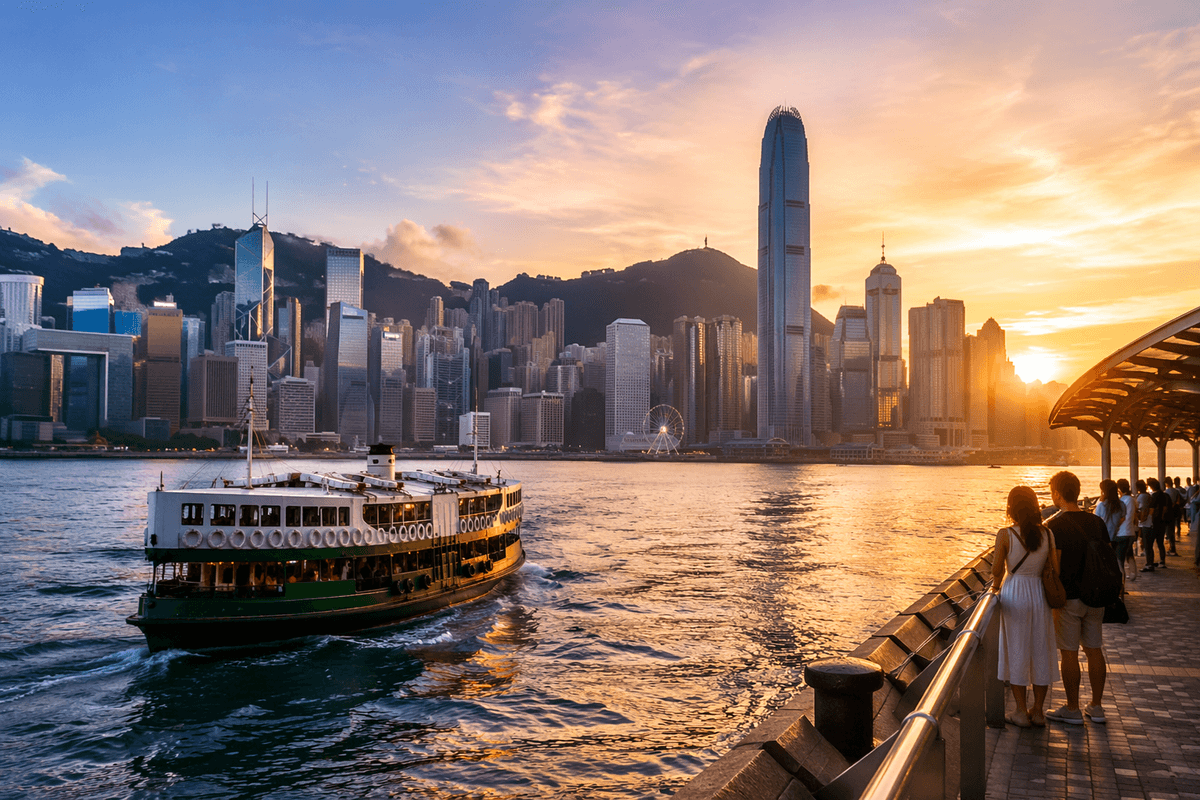
I hesitated at the Central pier turnstiles with an Octopus card half-raised, watching two ferry loads empty into the corridor and thinking, “This is either ten minutes of magic or a sweaty shuffle.” A light haze was already softening the buildings, and it wasn’t even 5:30 p.m. yet. The skyline here is less about where you stand than when you arrive—get the timing wrong and you’re paying in patience, not dollars.
If you want one skyline move that’s cheap, efficient, and hard to overrate, build an early-evening loop around the Star Ferry plus the Tsim Sha Tsui waterfront. It’s more forgiving than an observation deck: you can hop off, walk the Avenue-of-Stars stretch, and bail for dinner the moment the promenade gets too shoulder-to-shoulder. The weekend nights can feel like a slow-moving parade—so it works best if you’re happy with “great views while in motion,” not a long tripod session.
Save the Peak for a visibility call, not a calendar commitment. The Peak Tram is iconic but line-sensitive; if you’re arriving after work hours, the queue can eat the same time you’d spend on a full neighborhood dinner. For couples who value certainty, go earlier and accept a brighter sky; for couples who value drama, aim for sunset and treat it like your main event, with a backup plan if clouds flatten the payoff.
Then do Hong Kong at street level
At 12:40 p.m. in Central, I stepped off the MTR and immediately regretted thinking I could “just walk” to lunch in SoHo. The Mid-Levels escalator was moving, sure, but the sidewalks around it felt like a conveyor belt of bodies, and the humidity turned a five-block detour into a small negotiation. On the map it looked like a neat vertical stroll; on the ground it was stairs, shade gaps, and a lot of people making the same plan.
For street-level Hong Kong that pays back fast, pick one tight zone per half-day: Central/SoHo + Sheung Wan works better than bouncing between “famous” spots. Do the escalators and graffitied lanes earlier (late morning beats the after-work crush), then drift west into Sheung Wan for dried-seafood shops, coffee, and a more breathable pace. It’s less “cinematic chaos” than Kowloon—great if you want variety and easy transit, weaker if you’re chasing neon density.
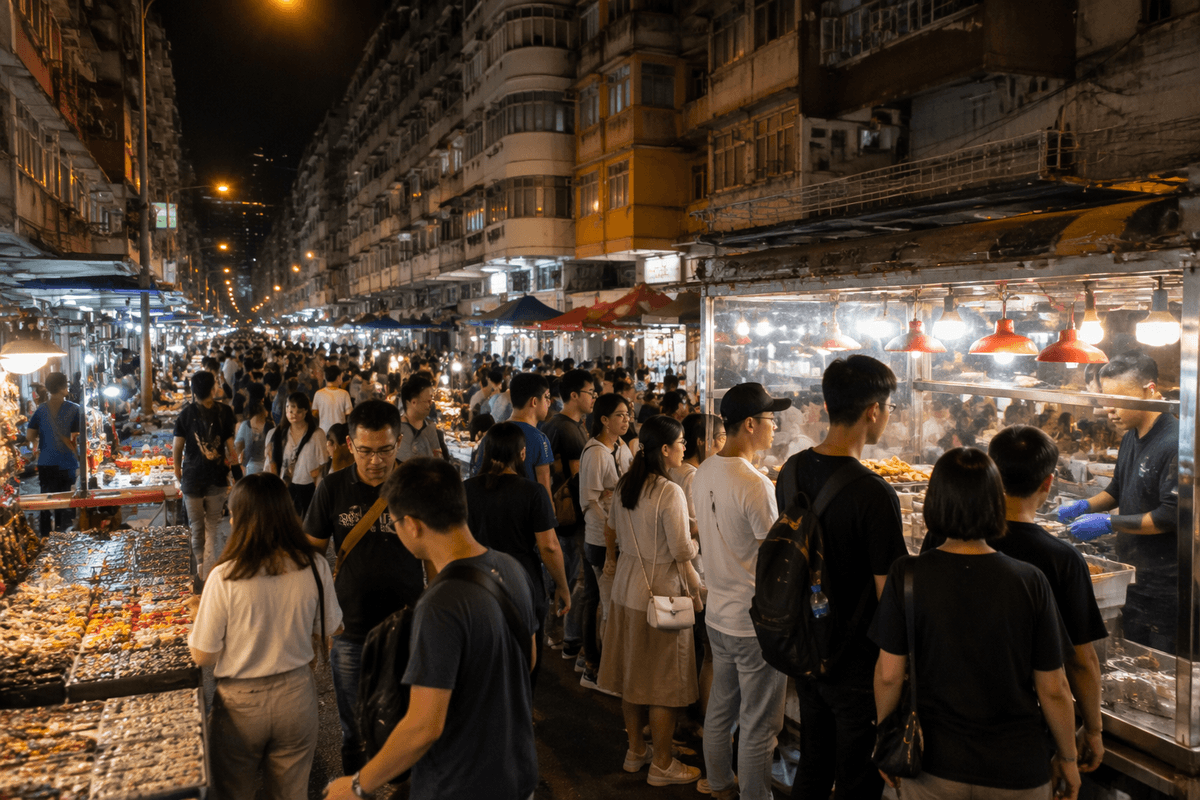
When you want that density, commit to Kowloon in the evening: Mong Kok into Yau Ma Tei (or Temple Street) is a classic loop, but it’s line-sensitive and shoulder-to-shoulder after dinner. Go around 6:00–7:00 p.m. if you care about browsing without being herded; go later if you care more about atmosphere and don’t mind slower food queues. If you’re already tired, skip the “market marathon” and choose one target meal plus one dessert stop—your feet will vote yes.
Add one nature escape for balance
At 9:10 a.m. on a Tuesday, we stood at Central Pier 2 with coffees sweating through the lids, staring at the outlying-islands board like it was an exam. Lamma? Cheung Chau? The weather was already bright enough to make the skyline look washed, and the idea of “quick nature” suddenly had a ferry schedule attached to it. That’s the moment you realize Hong Kong’s escapes are real—but they’re not instant.
If you want the cleanest balance of payoff-to-effort, I’d choose one island half-day over trying to “fit in” a hike between neighborhoods. Lamma Island works well for couples who want a low-stress walk plus seafood: you trade shopping and museums for a breezier pace and a meal that feels like a reward. Cheung Chau leans more snacky and busy—better if you like crowds and browsing—while Lamma feels calmer, but also “quieter” in a way that can read flat if you’re chasing constant stimulation.
The timing trick is protecting your evening: go in the morning, aim to be back mid-afternoon, and you’ll still have energy for a Kowloon night loop without that foggy, post-sun fatigue. Skip this escape if it’s pouring or visibility is crystal-clear at sunset—those are the days I’d spend my transit budget on skyline certainty instead.
Finish with culture and heritage
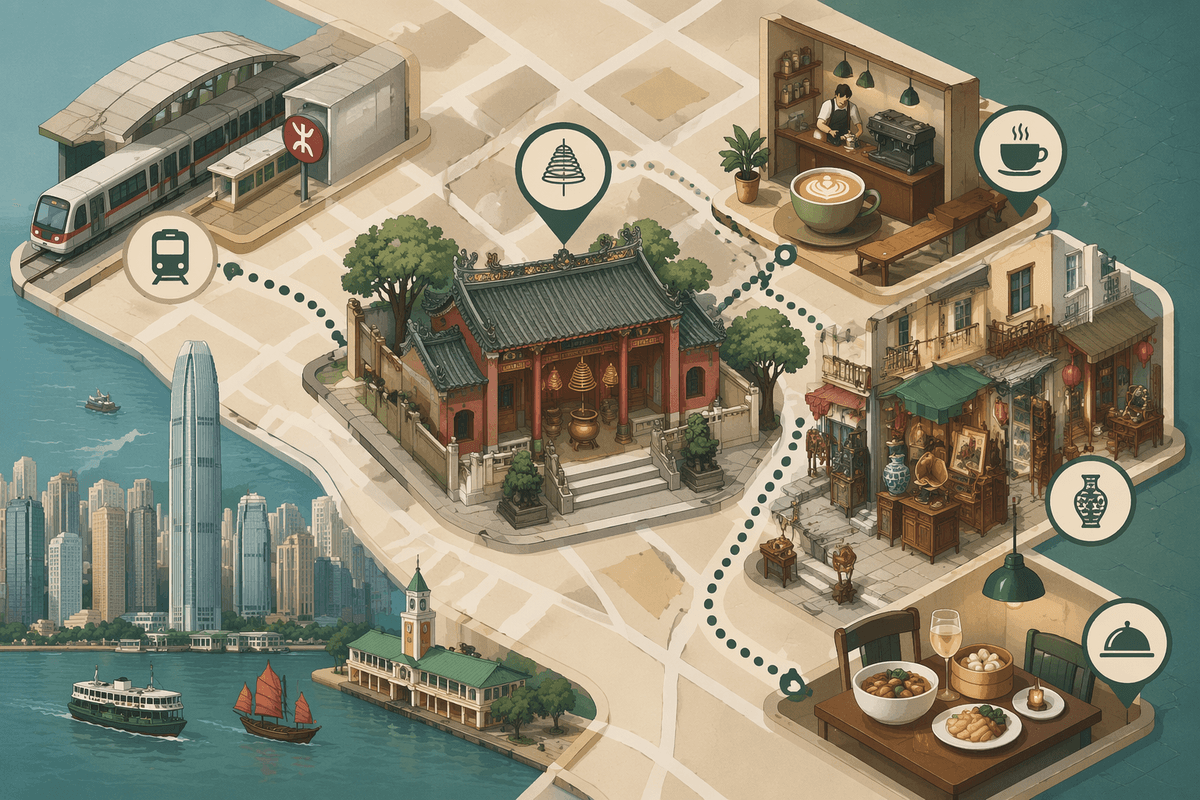
At 4:15 p.m., we ducked into Man Mo Temple in Sheung Wan mostly for the air-conditioning, then stayed because the incense coils made the street noise feel far away. Ten minutes earlier we’d been debating whether a “heritage stop” would be a slow, museum-like obligation. Instead it played like a reset: short, close to transit, and genuinely different from the harbor loop.
This is where Hong Kong’s culture works best for a tight trip—small, layered hits you can stack between meals, not an all-day pilgrimage. Man Mo pairs cleanly with Sheung Wan’s older shopfronts, antique pockets, and quick coffee breaks, and it’s easier to love than a big-ticket attraction when you’re already watching your time. It won’t fill an afternoon; if you need a longer, curated block, the Hong Kong Museum of History can be rewarding, but it’s a commitment that competes directly with food wandering and night markets.
For couples who care about the “why” behind what you’re eating and seeing, aim cultural stops at the day’s edges: late afternoon before dinner, or a rainy-hour slot when the skyline is flat. If it’s a clear-sky sunset day, don’t force heritage out of guilt—save it for the haze day, and let the city’s older corners be the thing that keeps the trip from turning into pure viewpoints.
What I’d pick with 48 hours
At 7:35 a.m., I was standing by the hotel window doing the least romantic couple activity: checking the haze against the skyline while one of us scrolled ferry times. With only 48 hours, you don’t get to “see everything,” and pretending you do just creates cross-harbor ping-pong. The concrete move is picking one side of the water as your daytime base and using the harbor like a timed highlight, not a commute.
Day 1 (HK Island-heavy): late morning Central/SoHo into Sheung Wan for street-level wandering that doesn’t require reservations, then a short cultural reset (Man Mo is perfect because it’s quick and close). If visibility looks decent, make your skyline loop early evening: Star Ferry to Tsim Sha Tsui waterfront for golden hour into night. It’s more flexible than paying for a deck—your trade-off is crowd flow, so eat in Kowloon slightly off the promenade once it gets shoulder-to-shoulder.
Day 2 (one big bet): call The Peak based on weather, not vibes. Go earlier if you hate queues and can live with a brighter sky; chase sunset only if you’re willing to treat the tram line as part of the cost. If the view day is a bust, don’t “make up for it” with extra attractions—take an island half-day (Lamma for calm + seafood), get back mid-afternoon, then spend your final night in Mong Kok/Yau Ma Tei for one target meal and one dessert, not a market marathon.
![9 Best Schwab ETFs to Buy [Build Your Core for Cheap]](static/image/2026/07/14/a69dc979-3836-472e-a76d-f75927794650.png)