The real choice: calm hops or wild days
At 11:20 a.m., I froze over a charter map with a coffee-ring on the corner, toggling between “Cyclades highlights” pins and a wind forecast that kept flashing 22–28 knots. The kids were arguing about whether they wanted caves or “a beach with no rocks,” and I realized those two requests don’t always overlap. Even the marina Wi‑Fi felt like it was rushing me into a decision.
This is the real choice: do you want calm, short hops where swimming is predictable, or wild days where the plan bends around wind and crowds? The Ionian usually wins for families who hate surprise whitecaps—greener coastlines, more sheltered water, and ports that feel like a low-stakes routine rather than a timed docking exam. The “wow” factor can be subtler: fewer volcanic cliffs, fewer dramatic caldera moments, more slow-living bays.
The Cyclades (and, to a lesser extent, some Dodecanese runs) flip that equation. You get sharper scenery, better “adventure” density—hikes that actually feel like hikes, coves that look unreal—but in July and August the meltemi can turn a two-hour leg into a kid-nausea gamble, and certain harbors become a chairs-out-at-6 p.m. race. If your crew needs guaranteed naps and easy stern-to practice, choose calm hops; if they’ll tolerate a few punchier sails for big payoffs, pick wild days—and pack flexibility like it’s part of the provisioning.
Choose your Greece cruising base
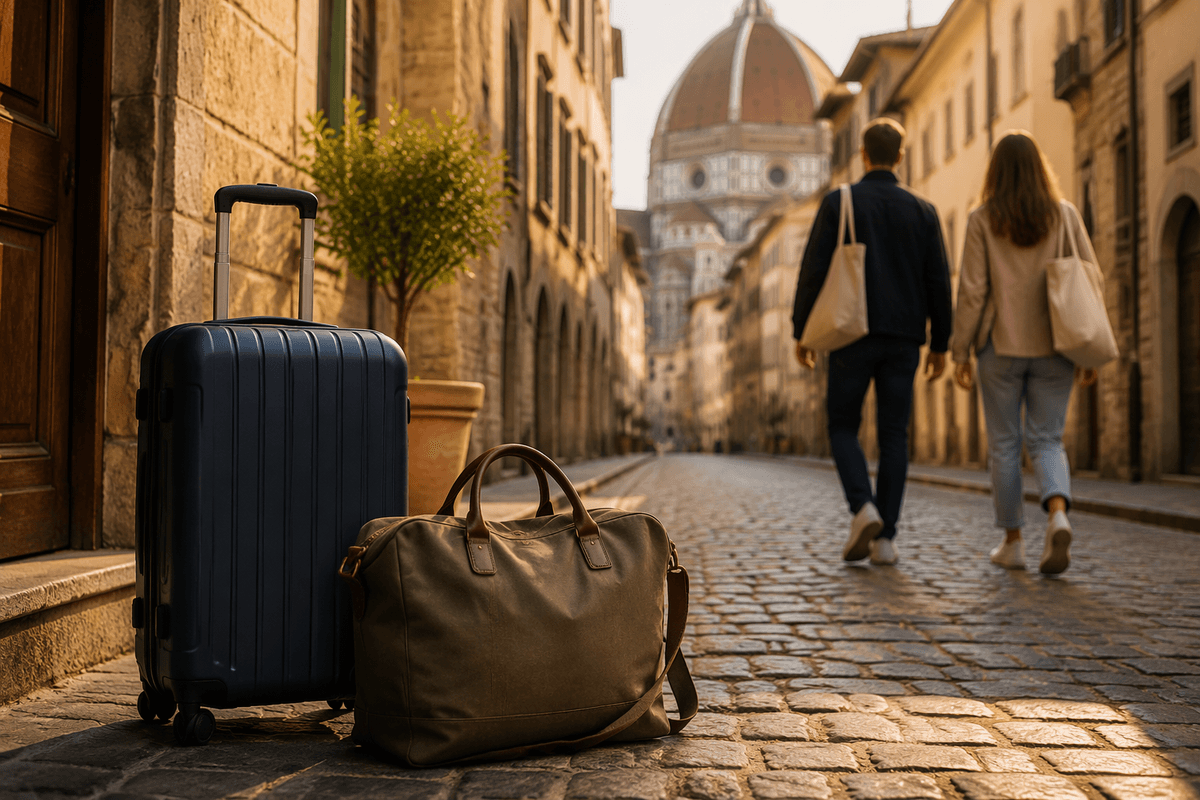
At 4:05 p.m., standing on the dock with a rolling suitcase and two sticky-fingered kids, I watched three crews argue over the same narrow fuel berth. The map had made “Athens to Paros” look like a tidy ribbon; the water outside the breakwater looked like it had opinions. That was the moment I stopped thinking in island names and started thinking in departure airports, marina logistics, and whether we wanted day three to be a grind.
If you’re flying in with kids and you want the least-friction start, the Ionian base (Lefkada/Preveza area) usually behaves like training wheels: shorter hops, more protected water, and plenty of bays where lunch-swims don’t require a perfect anchor set in swell. It works best for families prioritizing predictable afternoons and easy beach time; it’s weaker if your “must-have” list includes postcard-white villages on cliffs and big, exposed passages that feel like a real passage.
The Cyclades base (Athens/Lavrion, sometimes Paros/Mykonos if you can get there) is the opposite bargain: higher scenery-per-mile, better hike density, and those clear-water coves that make snorkels feel worth packing—at the cost of meltemi risk and a stricter timing window for crossings. The Dodecanese can split the difference if you’re willing to reposition (Kos/Rhodes) and accept longer transfers up front; fewer bucket-list crowds in some ports, but you’ll trade spontaneity for planning. If you’re still torn, pick your “non-negotiable day”: is it day-one calm for settling kids, or day-four drama for the photos?
Family-first routes with easy ports
At 7:10 a.m., we stared at a bakery bag sweating butter onto the chart table while the skipper circled a bay name and said, “One hour sail, two beaches, zero drama.” That sounded almost too tame until I remembered how different “easy” feels when you’re also timing seasickness, snack cycles, and the 6 p.m. hunt for a berth. Compared with the Cyclades’ headline harbors, a family route wins by removing little failure points, not by stacking highlights.
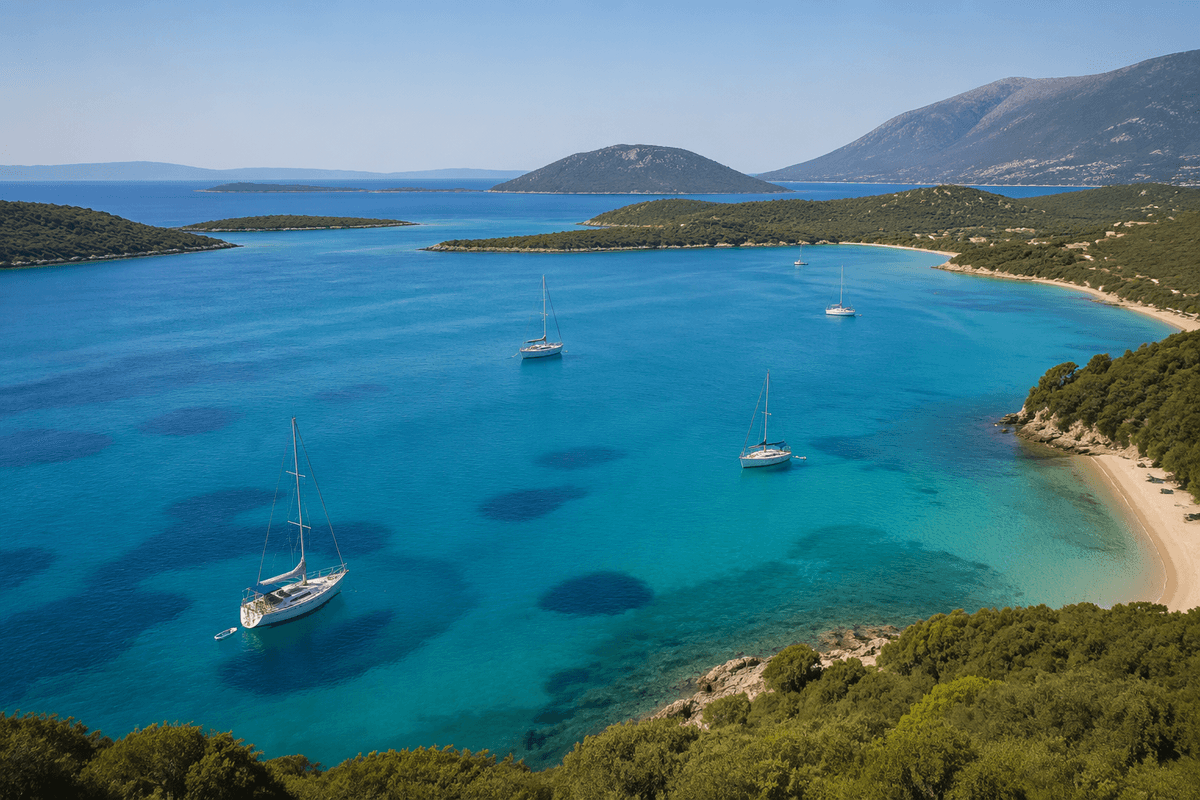
If you want the most forgiving version of Greece, the Ionian is basically built for 6–12-year-old attention spans: Lefkada/Preveza out to Meganisi, Kalamos/Kastos, Ithaca, then a choice—either the busier comfort of Fiskardo (great stroll, higher crowd pressure) or quieter anchorages where the kids can swim without ferry wake. You’ll repeat the rhythm—short hop, lunch swim, town stroll—so it suits families who like predictable days more than “one big mission” hikes.
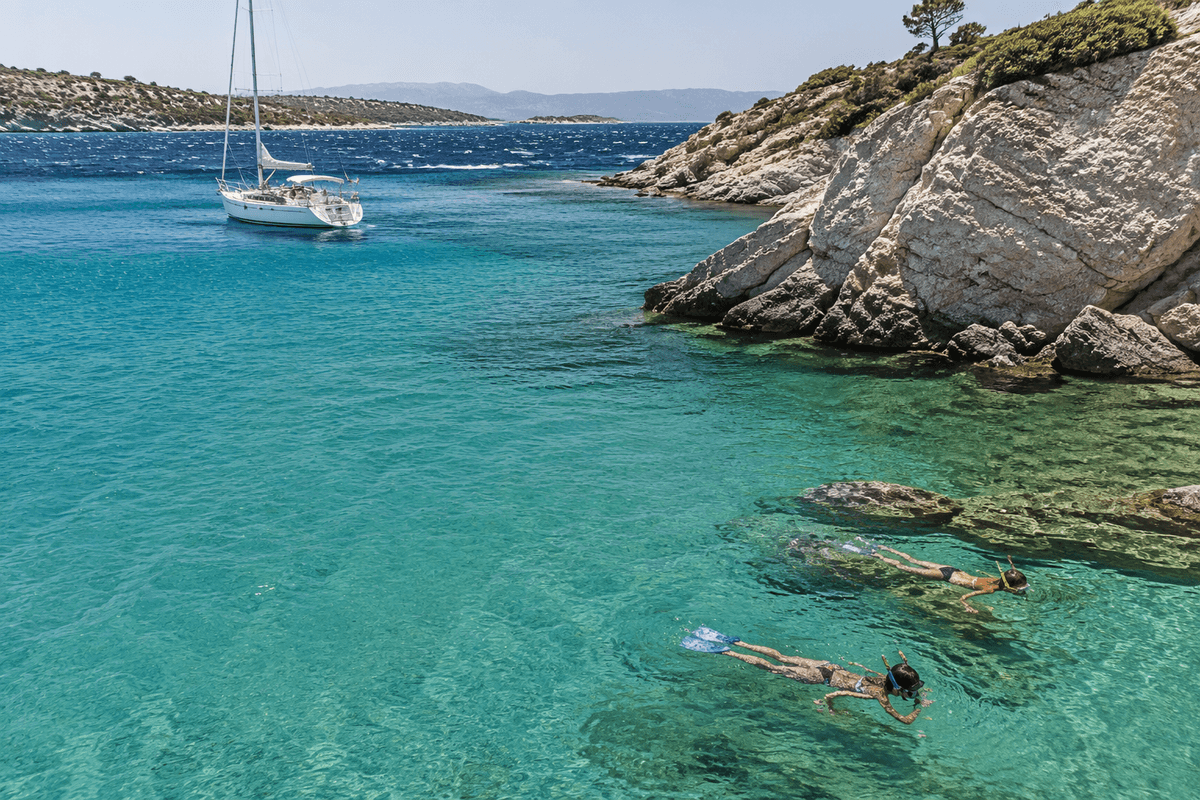
For 7–10 days, I like an “easy ports” loop that still sneaks in adventure: morning sails before heat, caves or cliffy snorkel spots by noon, and a real town every second night for laundry and morale. The trade-off is that you may skip the famous names on purpose; when meltemi is doing its summer thing, the best family decision is often staying in the sheltered water and letting the kids be the reason you don’t rush.
Adventure routes for wind and hikes
At 2:30 p.m., the skipper pointed at the gusts on his phone and slid the plan two islands west with the kind of calm that made me feel naive. We’d been talking about “just popping to Naxos,” but the cockpit shade was already snapping, and the kids had that wilted, salty look that shows up right before a rough leg becomes a parenting tax. On a cat, the deck space is forgiving; the motion in a stiff meltemi isn’t.
If your family wants hikes that feel earned and water that looks unreal, the Cyclades deliver—just not on the schedule your map suggests. You aim for early departures (before the wind ramps) and you accept that a “two-hour” crossing can be a long, loud slog when it’s 25 knots on the beam. It works best for kids who handle movement and love a goal (a viewpoint, a cave); it’s a poor fit if anyone gets queasy or needs predictable nap seas.
The more realistic “adventure” play is to hunt leeward shelter rather than chase famous ports: choose one windy day base with a good hike, then rotate into coves where the snorkeling still pops without the harbor circus. Compared with the Ionian’s gentle routine, you’ll get bigger scenery-per-mile—along with crowd flow you can’t always outsmart, and the occasional evening where you take the first decent spot instead of the perfect one. If you’re craving drama but don’t want to donate a day to rerouting, commit to fewer islands and deeper days.
Hybrid itineraries that please everyone
At 6:12 p.m., we idled outside a harbor entrance watching the quay fill like a theater, and I felt the temptation to “push one more island” just because the kids still had energy. The skipper didn’t argue—he just pointed at the gust lines on the water and asked whether we wanted a calm dinner swim or a late, bouncy arrival. That tiny fork, right there with sunscreen still on our hands, is where a hybrid plan either works or unravels.
The hybrid move isn’t splitting the difference on paper; it’s stacking your risk on purpose. In summer, I like two “adventure” days buffered by three “easy” days: pick one headline hike or cave day when you can depart early and arrive early, then spend the next leg in leeward water where the anchor set is simple and the swimming is forgiving. Compared with a pure Cyclades hop-scotch, you’ll see fewer islands, but you’ll waste less charter time renegotiating the wind.
Region-wise, hybrids usually behave best when your base gives you an escape hatch. The Ionian can still deliver “wow” if you prioritize cliffy snorkel spots and a single bigger mission (a longer sail or a standout hike), while keeping most legs short enough for snack cycles and unforced naps. The Cyclades hybrid works for families who can handle one punchy crossing, then deliberately hide on the lee side—just accept the trade-off that some evenings become “take the available berth” rather than “choose the cute waterfront table.”
What I’d book for 7 days
At 9:37 p.m., with a refundable-hold timer ticking down and the kids negotiating over who got the “front” cabin, I stopped chasing the perfect island set and asked a simpler question: where can we keep most sails under two hours even if the afternoon breeze gets bossy? The skipper’s note was blunt—July plans that look “efficient” on a map usually ignore fatigue, swim stops, and the 6 p.m. quay scramble. I clicked Lefkada/Preveza before I could talk myself back into Cyclades heroics.
For a 7-day skippered cat in peak summer, I’d book an Ionian loop with one deliberate “bigger” day baked in: Day 1 Meganisi for an easy shake-out swim; Day 2 Kalamos/Kastos for quieter water and simple anchoring; Day 3 Ithaca for a real town night (showers, bakery morale); Day 4 a longer leg to Kefalonia/Fiskardo early—worth it, but only if you arrive before the crowd flow turns stern-to into a sport. The trade-off is fewer headline cliffs, but you get more predictable nap seas and fewer reroutes.
Then I’d soften the back half: Day 5 Antisamos/Mytrtos-area scenery without committing to a bouncy crossing; Day 6 Atokos or a protected bay for “no schedule” snorkeling; Day 7 a short hop back with time for fuel and an un-rushed pack-down. If your crew truly wants Cyclades drama, rent it as a single mission day—don’t make the whole week pay for it.
![9 Best Schwab ETFs to Buy [Build Your Core for Cheap]](static/image/2026/07/14/a69dc979-3836-472e-a76d-f75927794650.png)